Aroma-Zone Prebiotics active ingredient

BALANCING & SOOTHING


When your skin is unbalanced, dry, and irritated, prebiotics come to the rescue. They help balance the skin microbiome, restore and protect the skin’s natural barrier function, and boost the skin’s defenses.


Reading time: 0 min.

Prebiotics Aroma-Zone Profile

INCI Name : Inulin / Alpha-Glucan Oligosaccharide


VEGAN


BIOCHEMICAL COMPOSITION

Most prebiotics are polysaccharides, i.e., complex sugars or long chains of linked sugars. Unlike bacteria, humans are unable to digest them. One of the most commonly used prebiotics in cosmetics is inulin, a fructose polysaccharide found in chicory and artichokes.

SUSTAINABILITY & TRACEABILITY

The inulin used by Aroma-Zone is extracted from agave or Jerusalem artichokes. Alpha-glucan oligosaccharide is obtained through biotechnology, via an enzymatic reaction of sucrose extracted from sugar beets and maltose extracted from wheat.


Prebiotics : what effect do they have on the skin ?

Prebiotics are substances that stimulate the growth of microorganisms beneficial to the body. Unlike probiotics, which directly introduce live microorganisms, prebiotics serve as food for beneficial bacteria.

In cosmetics, prebiotics help support the skin flora, also known as the “microbiome.” In fact, there’s a whole world living on your skin! More than 10,000 microorganisms per cm². This skin microbiota plays a vital role in the health and beauty of the skin: it helps defend against pathogens, strengthens the skin barrier for better-hydrated skin that is less prone to irritation, fights inflammation, and also protects the skin from oxidative stress, which causes premature aging.

Many skin problems are associated with an imbalanced microbiome, such as dry skin, chronic irritation (dermatitis), or acne. In the case of dermatitis, Staphylococcus aureus can compromise the skin barrier. Regarding acne, the proliferation of the bacterium Cutibacterium acnes on the skin’s surface causes inflammation of the sebaceous glands.

By rebalancing the skin’s microbiome, prebiotics support the skin’s barrier function, combat dehydration, and soften and soothe the skin. They also help prevent the appearance of blemishes.

Prebiotics : scientifically proven efficiency

Participants with atopic dermatitis used prebiotic-based cleansers and a cream for 2 months. 

Their skin dryness decreased in 96% of cases, and the severity of their dermatitis decreased by more than 50%.*


*See the Scientific Bibliography for more information.

Skin tolerance

A note from Adeline Nalin, our Head Pharmacist and Toxicologist at Aroma-Zone

“Inulin is a cosmetic ingredient that is highly tolerated by the skin. It acts as a prebiotic, promoting the growth of commensal bacteria (Staphylococcus epidermidis) and limiting the proliferation of pathogens (S. aureus, E. coli), thereby helping to maintain the balance of the skin microbiome. In vivo studies* show that topical application of inulin significantly improves skin hydration (measured by corneometry) and reduces transepidermal water loss (TEWL), thanks to its humectant and film-forming properties. Tolerance tests indicate that it is non-irritating, non-sensitizing, and non-comedogenic, even on sensitive skin.”


*See the Scientific Bibliography for more information.

Adeline Nalin - Head Pharmacist and Toxicologist

A safe ingredient for your health

A note from our Aroma-Zone Toxicologist

“Inulin is a natural polysaccharide widely used in cosmetics and nutrition. According to the Cosmetic Ingredient Review (CIR), plant-based polysaccharide gums, including inulin, are safe under current cosmetic use conditions, with no specific restrictions.”

Adeline Nalin - Head Pharmacist and Toxicologist

A note from the Dermatologist


“Prebiotics boost the presence of the ‘good microbes’ naturally found on the surface of our skin. 

By supporting this ecosystem, they improve the skin’s natural defenses and reduce inflammation and dehydration. They are therefore particularly beneficial for sensitive, reactive, redness-prone, and atopic skin.

They can be easily incorporated into your routine, morning and/or evening, in combination with a suitable moisturizer.”


Dr. Dima Haidar - Dermatologist

Formulation focus with the Aroma-Zone R&D laboratory

In formulations, it is essential to distinguish between probiotics and prebiotics.

Probiotics are living microorganisms—in other words, bacteria introduced directly to support the balance of the microbiome.

Prebiotics, on the other hand, are not alive: they nourish the skin microbiome that is already present. In cosmetics, we use inulin, for example, a prebiotic known to promote the growth of beneficial bacteria at the expense of microorganisms involved in imbalances. This approach helps guide the skin toward a more stable environment without disrupting its natural ecosystem.

For which skin types ?

Prebiotics are particularly suited for sensitive, dehydrated, or dry skin, as well as for skin prone to breakouts. 

What issues does this address ?

Prebiotics help address several common skin concerns : dehydration, dryness, irritation, tightness, and redness. By supporting skin balance, they can also help reduce the appearance of comedones and blackheads.

What Prebiotics do for the skin

  • Rebalance the skin microbiome

  • Preserve hydration

  • Strengthen the skin barrier

  • Improve comfort

  • Skin softer, more soothed, and visibly more stable

  • Gradual reduction in imperfections.

Prebiotics : an essential ingredient for the skin

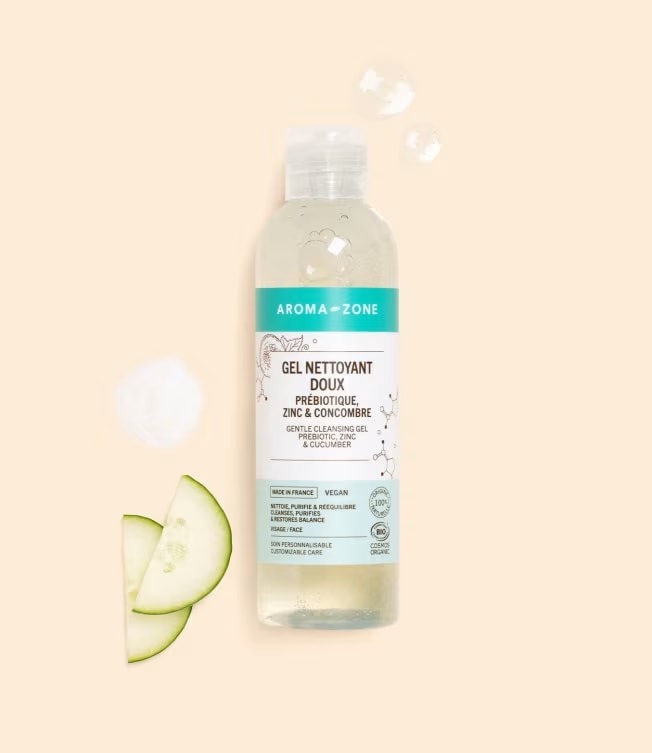
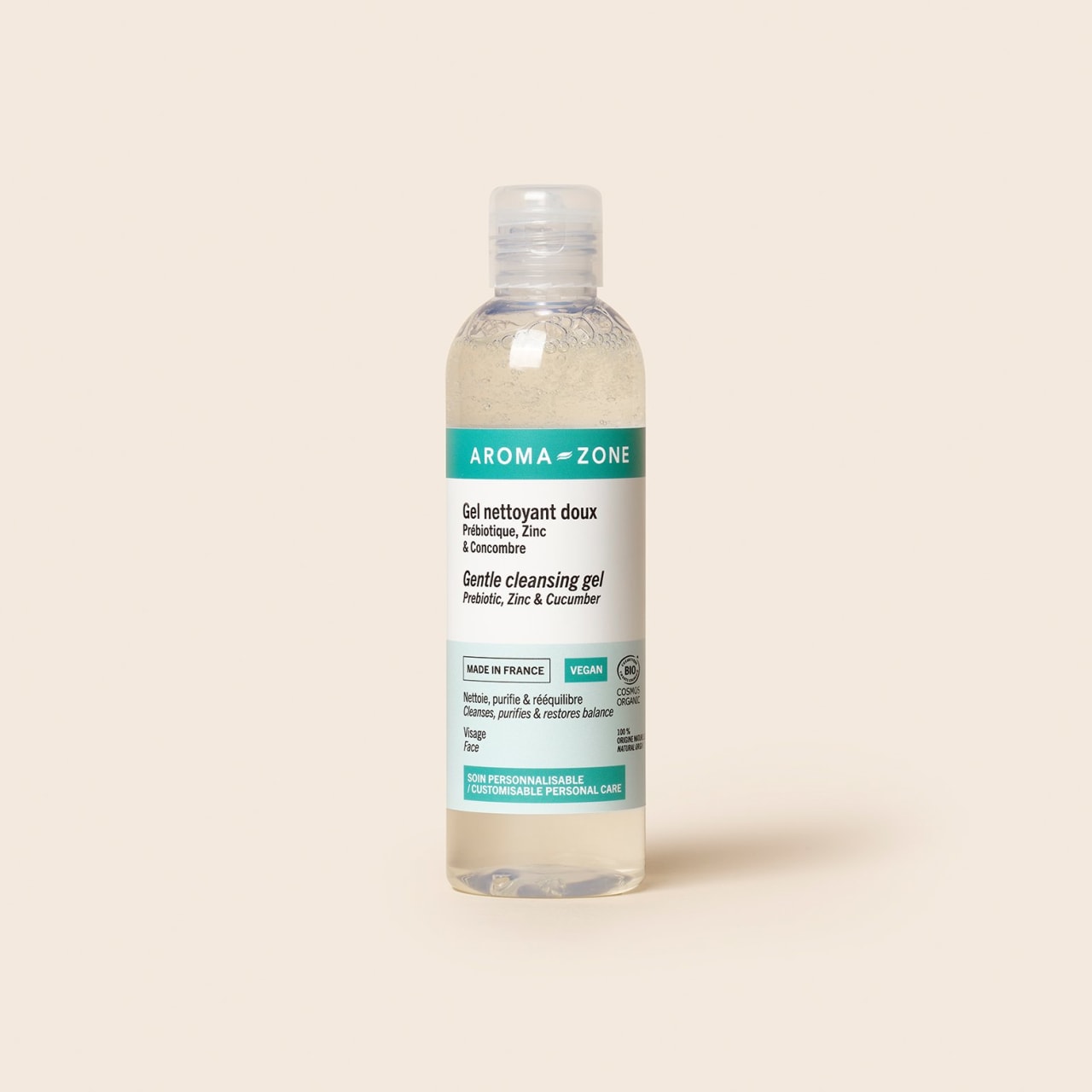
Gentle Prebiotic, Zinc & Cucumber Cleansing Gel

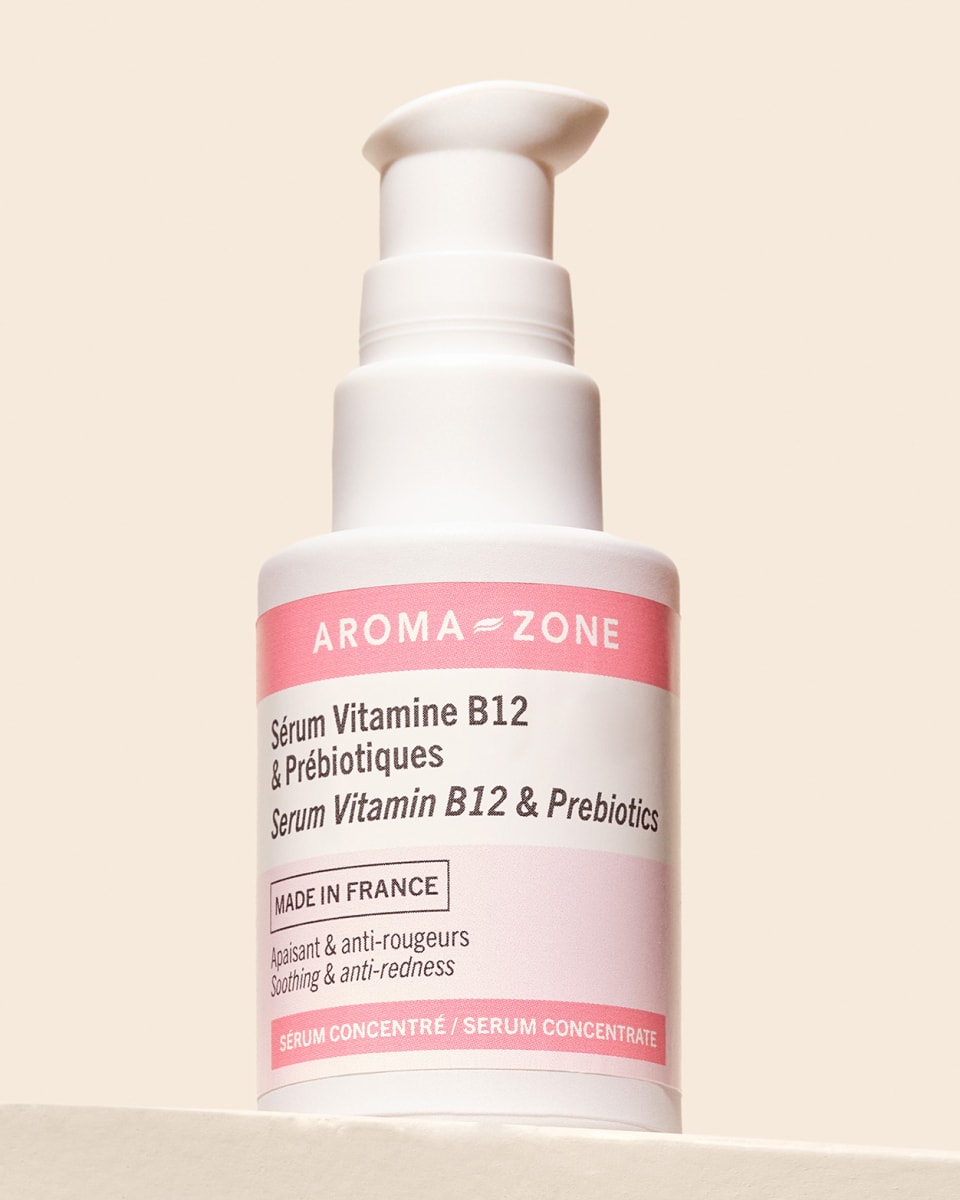
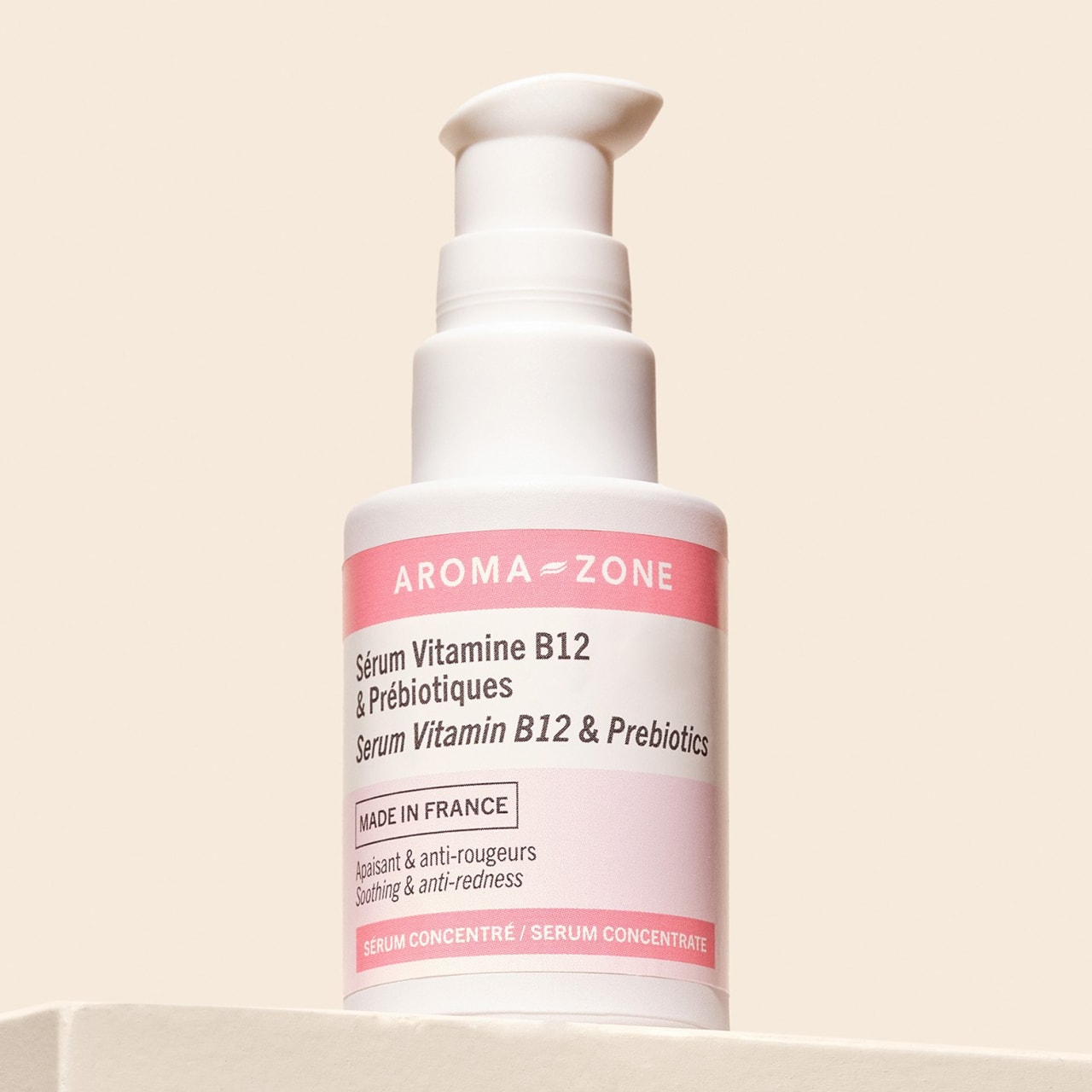
Vitamin B12 & Prebiotics Concentrated Serum

FAQ

Why is the balance of the skin microbiome essential for skin health?

Many skin conditions, such as atopic dermatitis and acne, are associated with an imbalance in the skin microbiome. A decrease in microbial diversity and a predominance of certain opportunistic strains have been observed in these conditions.

In atopic dermatitis, several studies highlight that dysbiosis is associated with impaired barrier function and increased local inflammatory reactions. Studies* indicate that the use of skincare products containing prebiotics in this context may be accompanied by an improvement in certain clinical signs and skin tolerance.

These data suggest that a balanced microbiota contributes to maintaining the integrity of the skin barrier and regulating local skin responses.


*See the Scientific Bibliography for more information.

Can prebiotics help reduce acne or blemishes?

Acne is associated with an imbalance in the skin microbiome, particularly with changes in certain bacterial populations involved in inflammatory processes. Modulating this microbial environment is currently being studied as a complementary approach in the management of acne-prone skin.

Microbiome-based approaches, including probiotics and prebiotics, are described in the literature as having the potential to influence this balance and the associated responses. However, the currently available data do not yet demonstrate a direct effect of topical prebiotics alone on the visible reduction of skin imperfections.

Prebiotics can therefore be considered as a means of supporting skin balance within a comprehensive approach to treating blemish-prone skin.

Do prebiotics have anti-aging benefits?

Available data do not demonstrate a direct effect of prebiotics on the visible signs of skin aging.

Some studies* suggest that prebiotics play a role in maintaining the skin’s barrier function and balance, particularly in cases of compromised skin. These factors contribute to the skin’s overall quality.

To date, no data from the cited sources demonstrate a specific effect on wrinkles, firmness, or elasticity.

Prebiotics can therefore be considered as contributing to the maintenance of skin balance, without a demonstrated direct anti-aging effect.


* Refer to the Scientific Bibliography for more information.

Are prebiotics compatible with potent active ingredients (retinol, AHA/BHA, vitamin C)?

To date, no clinical studies have directly evaluated the combination of prebiotics with potent active ingredients such as retinol, AHAs/BHAs, or vitamin C. However, prebiotics are described as well-tolerated ingredients in cosmetic formulations, including on sensitive or fragile skin.

In practice, when using potentially irritating active ingredients, it may be advisable to alternate their application with that of a product containing prebiotics, or to apply them at different times in the skincare routine. This approach aims to preserve skin comfort. However, this is a recommendation based on general formulation considerations and not on clinical trials specifically dedicated to these combinations.

Spotlight on our specialist editor, Delphine Duc.

Delphine DUC, a biological engineer specializing in cosmetology, has been passionate about the field of cosmetics for nearly 10 years. I started making my own homemade cosmetics using Aroma Zone products to address my skin concerns, then decided to train as a cosmetologist, and finally to create a custom-made cosmetics brand to address everyone’s unique skin concerns.

Bibliography

1

SKINCARE, The Skin, an Aroma-Zone publication by La Plage.

2

3

4

5