The duration of this sensation varies depending on individual sensitivity and the concentration used, but scientific studies have shown that applying menthol to the skin can produce a cooling effect lasting up to 70 minutes.
Aroma-Zone Menthol Active Ingredient
REFRESHING AND STIMULATING MENTHOL
The sensory active ingredient that awakens the skin and provides an immediate sensation of freshness
By Delphine Duc

Menthol Aroma-Zone Profile
INCI Name: Menthol
NATURAL / SYNTHETIC
100% plant-based, 100% pure and natural. Certified 100% organic by Ecocert Greenlife in accordance with the COSMOS standard.
VEGAN – LABELS
BIOCHEMICAL COMPOSITION
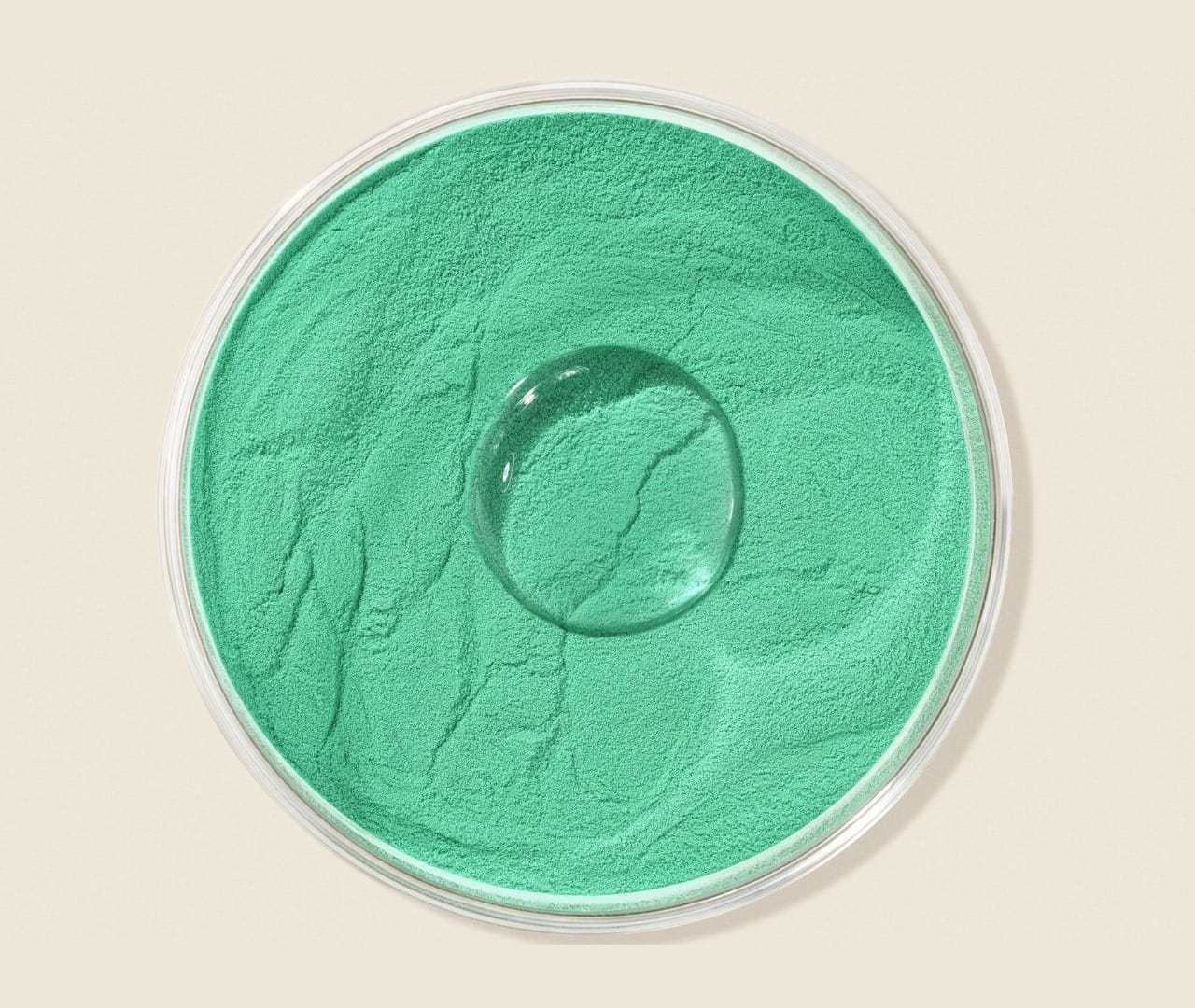
The menthol used is composed of 100% L-menthol.
SUSTAINABILITY / TRACEABILITY
Aroma-Zone Menthol is produced by cooling crystallisation of the essential oil of Mentha Arvensis. Sourced from certified organic cultivation, this menthol forms part of a controlled sourcing approach (recycled PET jar, predominantly recyclable packaging, packaging containing at least 75% recycled material).
Menthol: What Effect Does It Have on the Skin?
Menthol acts as a key ingredient to deliver a precise sensory response at the epidermal level. Its main action is based on the activation of specific sensory receptors called TRPM8, which are naturally responsible for detecting cold on the skin. This interaction does not cause any actual physical cooling of the tissues, but it sends a signal to the nervous system that recreates an immediate sensation of ‘icy freshness’.
Physiologically, the application of menthol promotes the dilation of superficial blood vessels, which stimulates the skin microcirculation by promoting the release of nitric oxide from vascular cells. This invigorating property is accompanied by an effect on skin permeability. Menthol can temporarily alter the barrier function of the stratum corneum, which may have the benefit of improving the penetration of other active ingredients in cosmetic formulations. At low concentrations, it also helps to relieve itching sensations by acting on the skin’s sensory receptors.
Menthol: Scientifically Proven Efficiency
The effectiveness of Menthol has been demonstrated by numerous studies*, which highlight the importance of correct dosages in order to achieve the expected benefits. Clinical studies show that at concentrations of between 0.1% and 1%, Menthol is an effective solution for alleviating feelings of discomfort and itching. When used at higher concentrations, between 1.25% and 16%, it stimulates the receptors more intensely and can act as a powerful cooling agent, but may also cause irritation.
One specific study highlighted that a gel containing 3.5 per cent menthol was more effective at reducing discomfort associated with muscle soreness more effectively than the application of ice alone. In terms of duration, in vivo tests reveal that topical application can maintain a significant cooling sensation for up to 70 minutes in the majority of subjects. In terms of circulation, a 3 per cent gel has been shown to increase cutaneous blood flow by 0.3 mL/min, thereby providing a toning effect where ice tends to slow down circulation.
Finally, beyond its sensory properties, it exhibits antibacterial and antifungal activity that has been demonstrated in the scientific literature against various microorganisms, which enhances its appeal for use in hygiene products.
*Please refer to the scientific bibliography for further information.

Skin Tolerance
A Note from Adeline Nalin, Head Pharmacist and Toxicologist at Aroma-Zone

“Menthol is known for its refreshing properties. However, it must be used with caution and at concentrations that are generally low in finished products to ensure good skin tolerance.”
Adeline Nalin - Head Pharmacist and Toxicologist
A Safe Ingredient for your Health
A Note from Our Aroma-Zone Toxicologist
“Menthol in low doses is generally well tolerated in cosmetic products. However, it is not recommended for sensitive groups, such as children under 7 and babies, pregnant women or people with epilepsy. Avoid contact with the eyes and do not apply menthol-based formulations near the eyes. Do not touch your eyes or face with the gloves used to handle menthol. Always wash your hands after using a menthol-based product.”
Adeline Nalin - Head Pharmacist and Toxicologist

A Note from the Dermatologist
"Menthol is a cyclic monoterpene alcohol extracted from peppermint. Both lipophilic and volatile, this active ingredient is able to penetrate the skin. It provides a sensation of freshness by activating TRPM8 ion channels. Its soothing effect, particularly in cases of itching associated with eczema, for example, stimulates gamma-A sensory fibres and may help to inhibit pain sensations thanks to its analgesic properties.
Finally, it must not be used on mucous membranes or open wounds, nor on people with a history of epilepsy or convulsions, as it may increase neuronal excitability."
Dr Agathe Aoun – Dermatologist
Formulation Focus with the Aroma-Zone R&D Laboratory
Menthol is a sensory active ingredient that takes effect immediately upon application, providing an intense sensation of freshness which can sometimes develop into an interesting hot/cold effect depending on the formulation. This characteristic makes it a popular ingredient in relaxing skincare products to provide a sense of comfort to areas of tension, but also in oral hygiene products for its characteristic cooling effect, or in lip care products where it helps to create a plumping effect through mechanical stimulation.
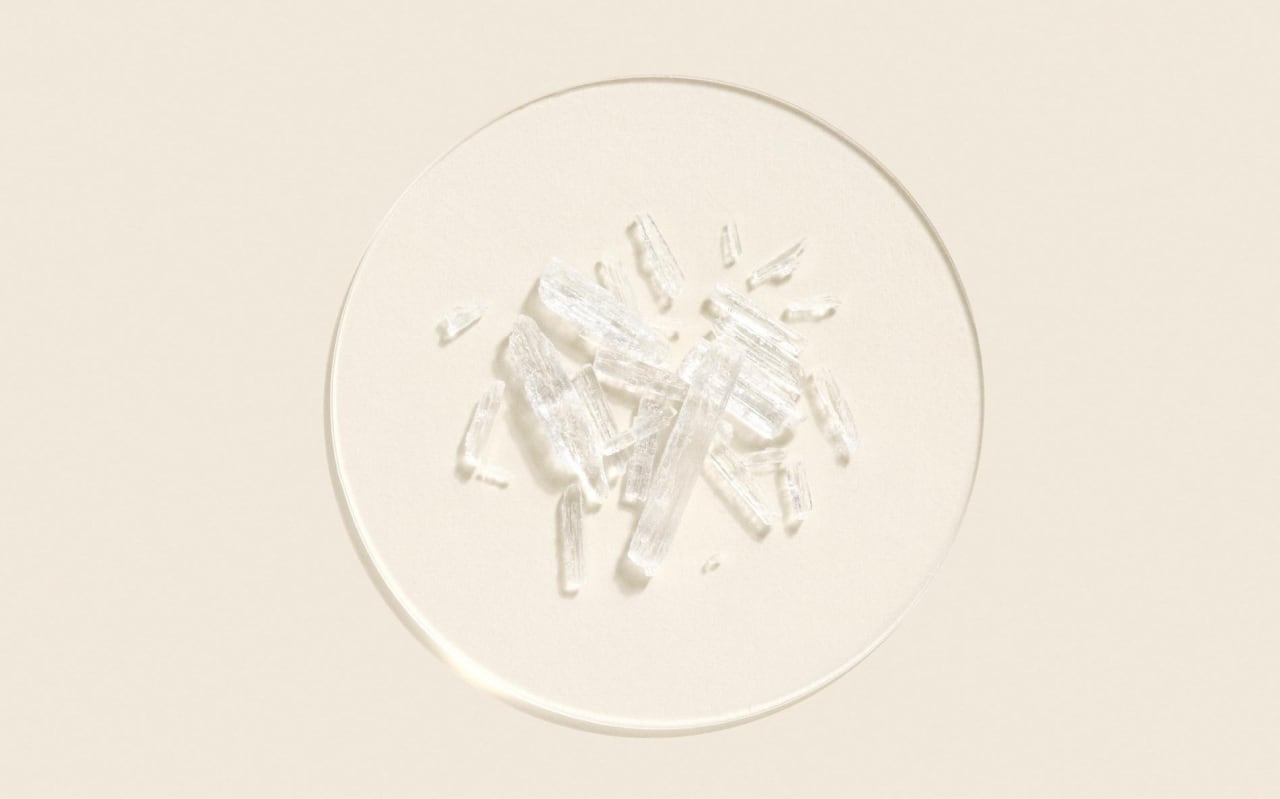
In formulation, the key factor to manage is its solubility: menthol is not soluble in water and must be dissolved beforehand in an oily or alcoholic phase before being incorporated into a formulation. This step is essential to prevent the formation of crystals (as this is the ingredient’s basic form), ensure even distribution throughout the product and guarantee a consistent sensory effect on the skin.
For Which Skin Types?
Menthol is a versatile active ingredient that addresses different needs depending on the area of application and the concentrations used. It is primarily recommended for skin in need of vitality and an intense sensation of freshness.
For skin prone to itching, incorporating it at a low concentration—between 0.1% and 1%—provides immediate relief and soothes the skin. Its energising effect on skin microcirculation also makes it a valuable ally for leg comfort, helping to restore a lasting feeling of lightness.
It is also ideal for lip care, offering a natural plumping and volumising effect thanks to a subtle swelling caused by its sensory action. However, due to its potent nature, this active ingredient is not suitable for all skin conditions. Its use is strictly not recommended on damaged skin, such as skin with grazes, burns or irritation. It should also be avoided on mucous membranes and very sensitive areas, particularly around the eyes. Finally, as sensitivity to the ‘ice cube’ effect varies from person to person, it is advisable to carry out a patch test on a small area before applying it more widely.
Which Concerns Does This Address?
Menthol offers a natural solution to meet a range of everyday needs, primarily due to its refreshing and soothing properties. Firstly, thanks to its intense ‘ice cube effect’ and its ability to stimulate microcirculation, it provides immediate relief in gels and balms designed for the wellbeing of the legs and feet. It is also a solution of choice for athletes to alleviate the discomfort associated with muscle soreness and promote a feeling of muscle relaxation.
When used in lip balms, it causes a slight reddening and subtle plumping, thus providing a natural plumping and volumising effect; its purifying action and characteristic scent make it an ideal ingredient for freshening the breath and masking unpleasant odours in toothpastes and mouthwashes.
In low doses, it can also help soothe skin prone to irritation and itching. Finally, although its effect is often linked to a perceived sensation rather than actual physical decongestion, inhaling it is known to facilitate the sensation of airflow and alleviate respiratory discomfort, particularly in cases of a ‘blocked nose’.
What Menthol Does for the Skin
An immediate sensation of freshness: by activating the cold-sensitive TRPM8 sensory receptors, it delivers that intense, characteristic ‘ice cube effect’ without actually changing the skin’s actual temperature
A revitalising effect on microcirculation: when applied, it promotes local vasodilation, which stimulates blood flow at the skin’s surface
Relief from itching: when used at low concentrations (between 0.1% and 1%), it helps to alleviate skin discomfort by acting on sensory receptors
Natural volume for the lips: when incorporated into balms, it causes a slight reddening and subtle plumping, thereby giving the lips a fuller appearance
Improved penetration of active ingredients: by temporarily altering the permeability of the stratum corneum, it facilitates the passage of other ingredients in your formulations, such as essential oils, through the epidermis
Purifying properties: its action against various micro-organisms, particularly bacteria and fungi, helps to maintain skin hygiene and protect the skin.
Menthol: An Essential Ingredient
Menthol can be found in several products in our catalogue, for example:

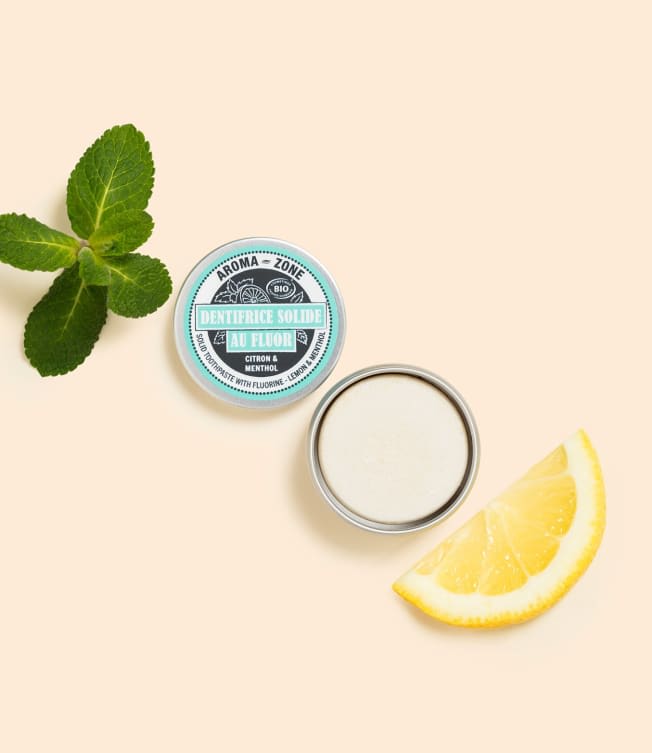
Solid Fluoride Toothpaste – Menthol & Lemon
This solid toothpaste with zinc and fluoride effectively combats plaque and tartar, ensuring teeth that are radiantly healthy. Its natural formula, enriched with organic lemon, strengthens and polishes the enamel to promote whiteness, whilst menthol provides long-lasting fresh breath. Perfect for sensitive gums, this comprehensive care product protects against and prevents tooth decay for a radiant, healthy smile.
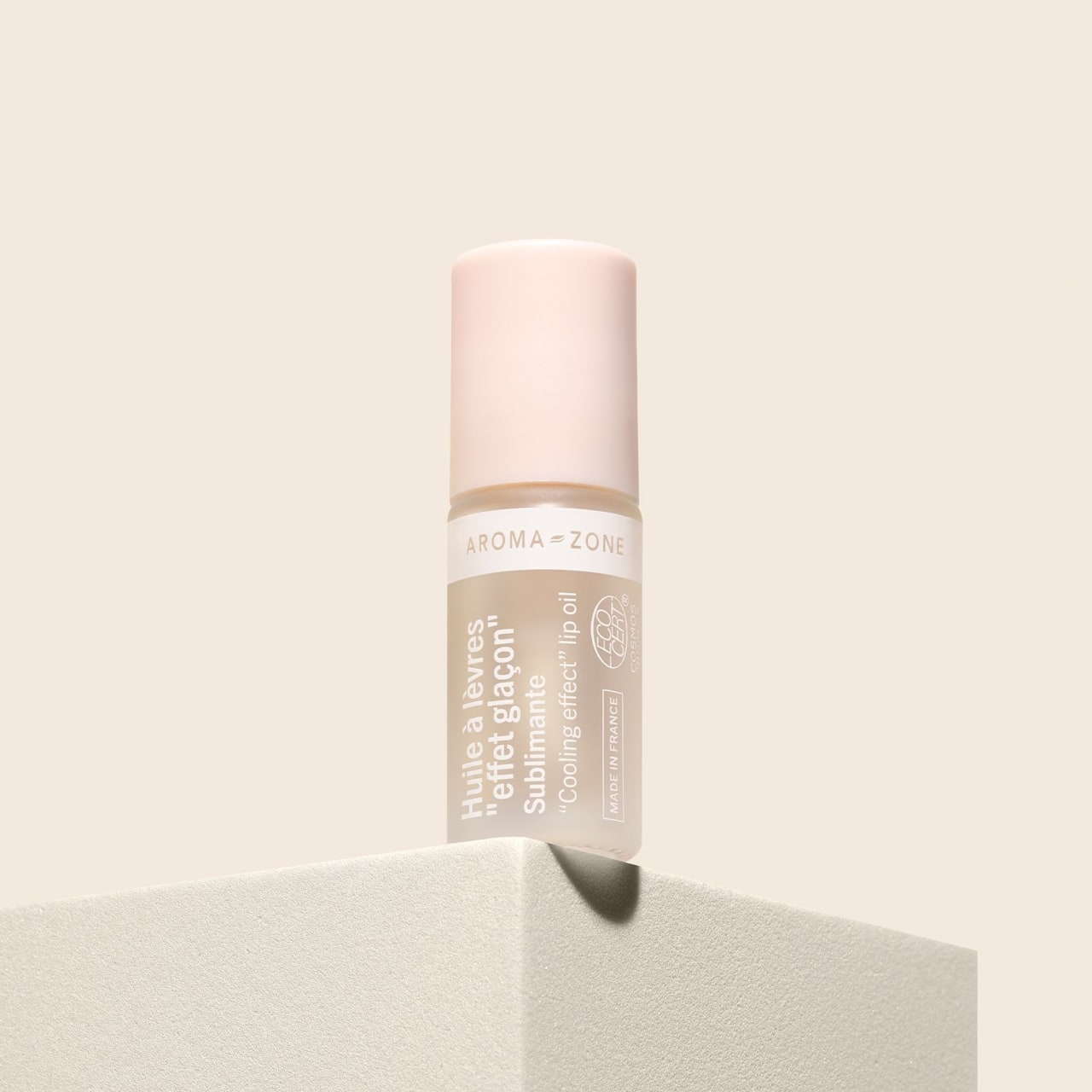
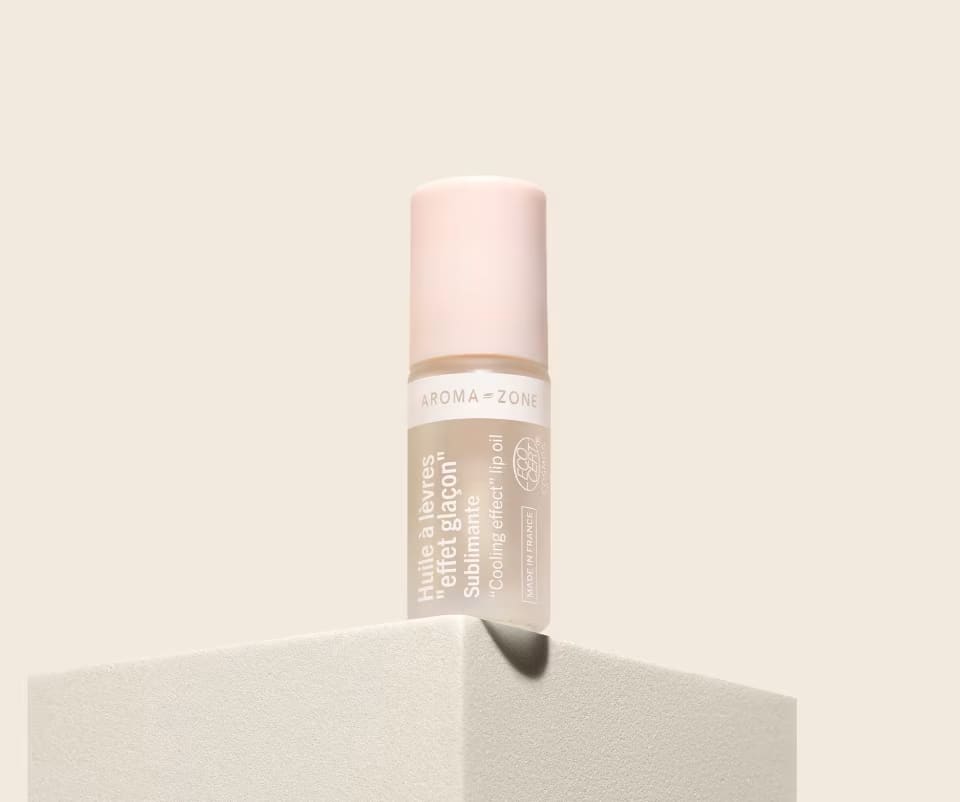
Transparent ‘ice cube effect’ lip oil
A skincare formula that coats the lips with a mirror-like shine, moisturises and provides an immediate plumping and refreshing effect. A lip oil enriched with hyaluronic acid, camellia oil and pomegranate extract, for nourished, plumped and visibly smoothed lips. +22% volume without injections¹ ⁴.
Precautions
Special care must be taken when using Menthol to ensure its safe use. It is strictly prohibited for children under 7 years of age and infants under 36 months, in whom it may cause an apnoea reflex. This active ingredient is also not recommended for pregnant or breastfeeding women, or for people with epilepsy or a history of seizures.
Never apply it undiluted to the skin and always handle it whilst wearing gloves, avoiding any contact with the eyes or face. High-dose applications must be limited to localised areas of intact skin (free from burns or wounds), following a tolerance test carried out in the crook of the elbow 48 hours beforehand. Finally, take care not to inhale the vapours produced during hot dilution and seek advice from your homeopath if you are currently undergoing treatment.
FAQ

How long does the cooling sensation from menthol last?

How long does the cooling sensation from menthol last?

In which types of cosmetic products is menthol found?

In which types of cosmetic products is menthol found?
It is frequently found in leg gels and balms, aftershave products and shaving foams for their invigorating properties, in toothpastes for fresh breath, and in lip balms for their plumping effect.

Does menthol affect the skin’s microcirculation?

Does menthol affect the skin’s microcirculation?
Yes, menthol has the ability to cause local dilation of the superficial blood vessels, which stimulates microcirculation in the area where it is applied.
Spotlight on our specialist editor, Delphine Duc.

Delphine DUC, a biological engineer specializing in cosmetology, has been passionate about the field of cosmetics for nearly 10 years. I started making my own homemade cosmetics using Aroma Zone products to address my skin concerns, then decided to train as a cosmetologist, and finally to create a custom-made cosmetics brand to address everyone’s unique skin concerns.
Bibliography
1
Behm, D. G., et al. (2012). A comparison of topical menthol to ice on pain, evoked tetanic and voluntary force during delayed onset muscle soreness.
International Journal of Sports Physical Therapy, 7(3), 314–322.
2
Eccles, R. (2003). Menthol: Effects on nasal sensation of airflow and the drive to breathe.
Current Allergy and Asthma Reports, 3, 210–214.
3
Hunter, A. M., et al. (2018). Influence of topically applied menthol cooling gel on soft tissue thermodynamics and arterial and cutaneous blood flow at rest.
International Journal of Sports Physical Therapy, 13(3), 483–492.
4
Patel, T., et al. (2007). Menthol: A refreshing look at this ancient compound.
Journal of the American Academy of Dermatology, 57(5), 873–878.
5
Sarkic, A., & Stappen, I. (2018). Essential Oils and Their Single Compounds in Cosmetics
A Critical Review. Cosmetics, 5(1), 11.
6
Vanden Bossche, L., et al. (2026). Menthol inhalation relieves dyspnoea via the brain.
ERJ Open Research, 01164-2025. DOI: 10.1183/23120541.01164-2025
7
Yosipovitch, G., et al. (1996). Effect of topically applied menthol on thermal, pain and itch sensations and biophysical properties of the skin.
Archives of Dermatological Research, 288, 245–248.