
Just like ginger, galangal (Alpinia galanga) is native to South-East Asia, where it has been cultivated since ancient times. This herbaceous plant has long, narrow leaves shaped like small spears. However, it is exclusively its rhizome that is used for therapeutic purposes, particularly in traditional Chinese medicine.
Galangal (Alpinia galanga): Origins and Health Benefits
By The Aroma-Zone editorial team
Published on: Tuesday, October 17, 2023, Updated on: Tuesday, November 03, 2026
Are you familiar with ginger? Discover its cousin, galangal, or Alpinia galanga. Native to South-East Asia, this miracle spice is used in cooking to enhance the flavour of dishes. As well as its flavour-enhancing properties, it boasts incredible health benefits: in particular, it helps to stimulate the digestive system and works wonders on the skin. Let’s take a closer look at this remarkable rhizome.
Contents
What Is the Alpinia galanga Plant?
Good to Know
There are two types of galangal: ‘large galangal’, which is the most common and comes from South-East Asia (Indonesia, Malaysia, and Thailand), recognisable by its blue stem; and ‘small galangal’, which has a yellow stem and comes from southern China.
What Are the Benefits of Galangal for Digestion?
Traditional Eastern medicines such as Ayurveda and Traditional Chinese Medicine have been using galangal root for centuries. In herbal medicine, the rhizome is classified amongst plants with pungent, warming, and bitter flavours that have a beneficial effect on the digestive system. The active ingredient it contains, galangin, is a powerful flavonoid with anti-inflammatory, antibacterial, antifungal ,and antiseptic properties.
Discover its amazing benefits:
Stimulates the Digestive System: By promoting the secretion of gastric juices in the stomach, thereby facilitating the digestion of food
Relieves Bloating: Galangal is a valuable ally in relieving discomfort, stomach ache, bloating and wind
Stimulates the Appetite: It can be used to stimulate hunger in cases of loss of appetite or eating disorders
Helps Combat Nausea: Studies suggest it has anti-nausea and anti-vomiting properties in cases of morning sickness or travel sickness
Maintains the Balance of the Gut Flora: As an antimicrobial, galangal helps to combat pathogenic bacteria in the gastrointestinal tract
How Should Galangal Root Be Consumed?
Alpinia galanga can be consumed in various forms:
Fresh: Like ginger, it can be sliced into thin strips, chopped or grated to flavour a dish
As a Powder: The recommended dose is 1,200 to 2,400mg per day, taken as a course of treatment lasting three weeks to one month
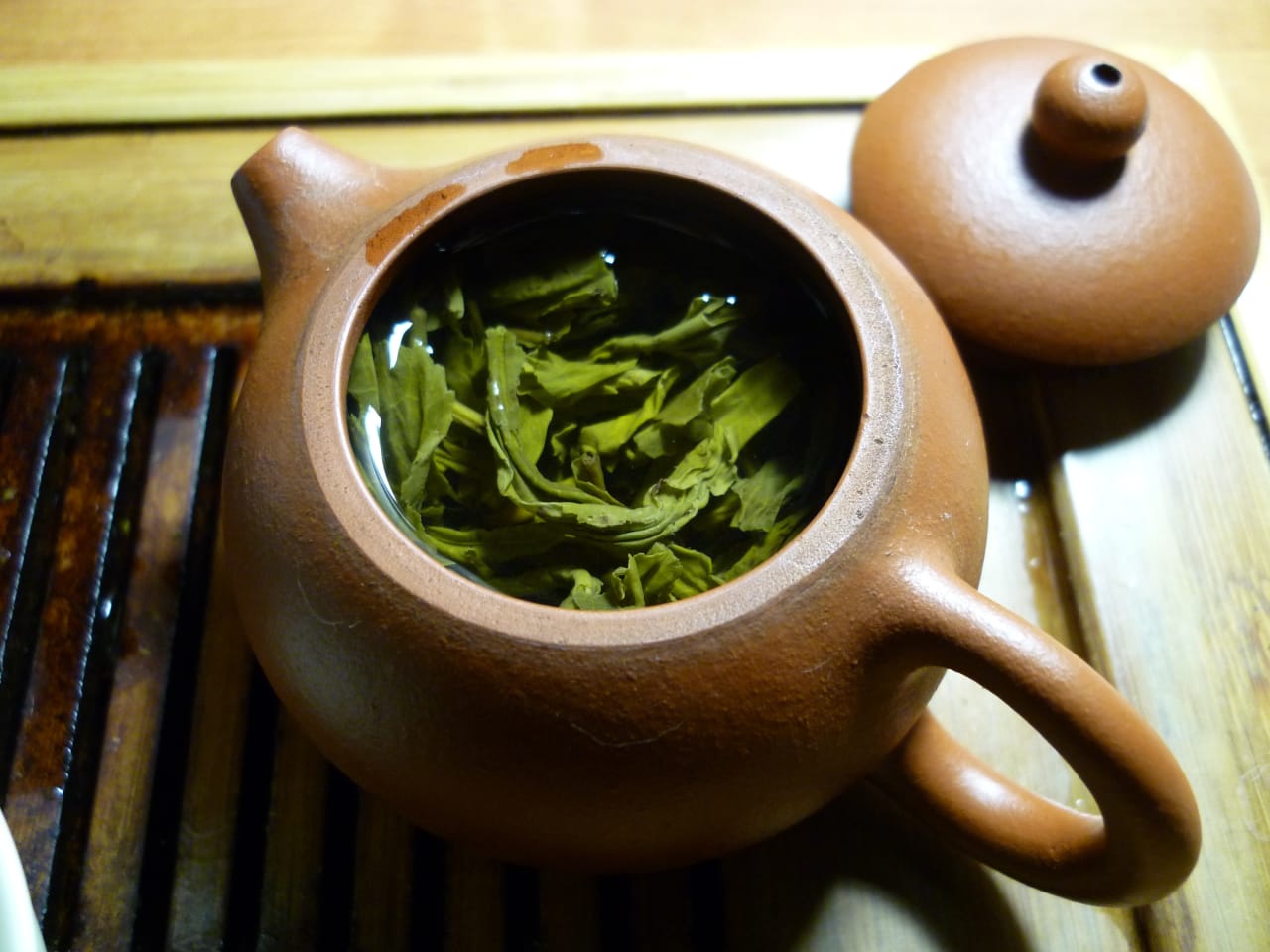
As a Tea: One teaspoon of dried, powdered rhizome, left to steep for 10 minutes in 15cl of simmering water after a meal
As a Decoction: Place the root in cold water, heat the water and, once it comes to the boil, allow to boil for a further two minutes. Remove from the heat and drink as is or with a little lemon or honey
As an Essential Oil: One drop taken orally to stimulate digestive functions before meals:
As a Dietary Supplement
The Benefits of Galangal for the Skin:
Anti-Inflammatory: Galangal helps to soothe irritated skin and reduce redness. It is particularly recommended for sensitive skin that has been weakened by dermatological treatments (lasers, chemical peels, etc.) and medical conditions
Antioxidant: It helps combat tissue ageing by protecting the epidermis from damage caused by free radicals and oxidative stress
Wound-Healing: Thanks to its anti-inflammatory properties, galangal can accelerate the healing of minor wounds
Antimicrobial: It may prove useful as a complement to treatments to prevent acne and treat minor skin rashes
Moisturising: According to some studies, galangal may have the ability to stimulate the synthesis of high-molecular-weight hyaluronic acid
Photo credit: Photo by Arseniy Kapran on Unsplash
Bibliography
Alpinia galanga Willd: An overview of its photopharmacological properties
https://nopr.niscpr.res.in/bitstream/123456789/9821/1/IJNPR%201(2)%20143-149.pdf
Alpinia galanga – an important medicinal plant: a review
https://www.cabdirect.org/cabdirect/abstract/20113324810
A Review on the Phytochemical and Pharmacological Potential of Alpinia galanga
https://mail.phcogj.com/article/458
Antimicrobial properties and action of galangal (Alpinia galanga Linn.) on Staphylococcus aureus
https://www.sciencedirect.com/science/article/abs/pii/S0023643805001490


Frequently Asked Questions
Associated tips
Digestive comfort


