
Lactation, also known as breast milk production, is a physiological process regulated by hormones. Milk production typically begins about three days after childbirth. This phenomenon occurs following the secretion of colostrum, which is triggered shortly before childbirth by two main hormones: oxytocin and prolactin: To learn more, find out how to manage your milk coming in.

Foods that promote lactation: which ones should you choose?
By Gipsy Dauge
Published on: Tuesday, March 26, 2024, Updated on: Friday, October 30, 2026
Breastfeeding has been widely proven to benefit babies’ health. But you still need to produce enough breast milk. In this article, we’ll explore foods that promote lactation and share our tips for breastfeeding with confidence.
Contents
Related products
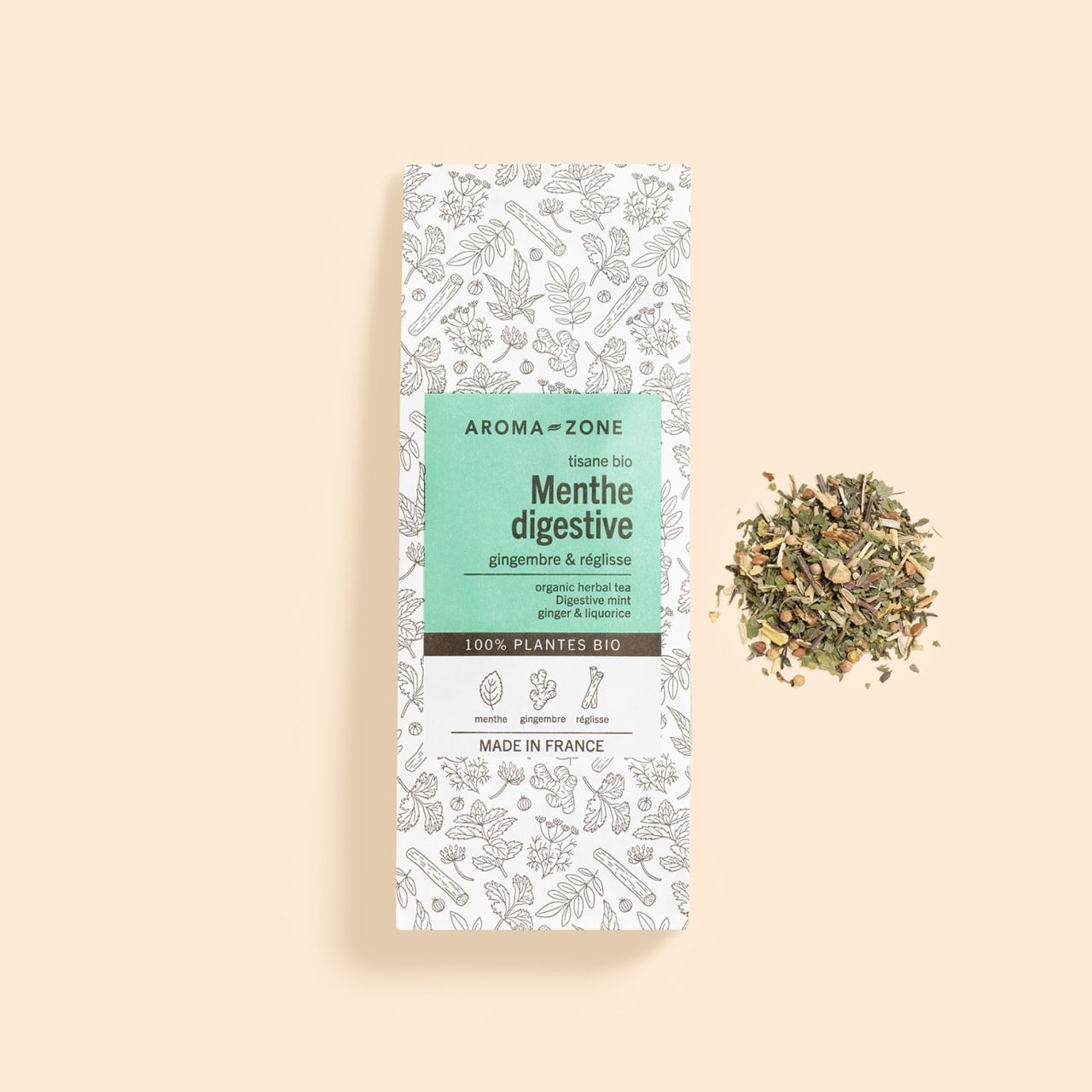
Organic Mint Digestion Herbal Tea
Digestive comfort
£5.00
50 g
What is lactation?
Diet and breastfeeding: what’s the connection?
The food choices you make obviously impact the nutritional value and flavor of your breast milk. They also influence milk production. Certain foods can help stimulate milk production thanks to their content of essential nutrients such as protein, healthy fats, complex carbohydrates, vitamins, and minerals. Additionally, staying well-hydrated by drinking enough water is also important for maintaining adequate milk production.
What helps milk come in? How can you stimulate lactation naturally?
Several simple daily habits can help boost milk production:
A balanced diet and staying well-hydrated every day.
Encourage skin-to-skin contact with your baby
Make sure your baby is in the correct feeding position by ensuring their mouth is aligned with the nipple, they are properly latching onto the areola, their nose is clear, and their body is positioned correctly for swallowing.
Increase the frequency of feedings, even at night, without waiting for the baby to cry
Offer both breasts at every feeding
Alternate between both breasts
Gently massage your breasts during feedings to promote milk flow and hormonal processes
To promote optimal milk production, it is recommended to avoid giving your baby supplements too early. It is best to focus on exclusive breastfeeding during the first few weeks to stimulate abundant milk production.
If breastfeeding remains difficult after 24 to 48 hours, consider consulting a lactation consultant: For more information, check out our 8 tips to boost lactation.
Which foods promote breast milk production?
Galactogenic foods to increase milk production
Certain foods, particularly plants and grains, are known to promote the production and release of breast milk; these are called galactagogues. Although they may be available as dietary supplements, their effects are often more beneficial when incorporated into your daily diet. Here is a list of these galactagogue foods:
Certain plants: Fennel, green anise, cumin, Moringa oleifera, and fenugreek.
Orange malt, found particularly in non-alcoholic beers.
Vegetables: Carrot juice, seaweed, seaweed tartare, cooked beets, lentils
Grains: Oats, Barley, Semi-whole grains, Barley-based coffee substitute
Nuts and seeds: Almonds, Plant-based beverages made with almond powder, Chia seeds, Sesame seeds, Wheat germ
Fats: Various oils, Raw butter, Avocado
Proteins: Fatty fish (sardines, herring, mackerel, wild salmon), high-quality meat, soft-boiled or hard-boiled eggs.
Find out more in our article on galactogenic foods
Expert advice
We encourage you to consult a doctor before making any changes to your usual diet.
What to eat and when to ensure a plentiful milk supply and boost lactation?
From the very start of breastfeeding, it is advisable to incorporate galactogenic foods to support milk production right from the beginning, as the first few weeks are crucial for establishing adequate milk supply. It is recommended to consume galactogenic foods regularly throughout the day, including as snacks between main meals and by adding these ingredients to your meals.
Some experts suggest consuming galactogenic foods before or after feedings to ensure adequate nutrition before each feeding and provide your body with the necessary nutrients to produce milk. If your milk supply decreases, temporarily increasing your intake of galactogenic foods may be a strategy, but it is important to consult a healthcare professional before making significant changes to your diet.
Note that galactogenic foods should be incorporated as part of a balanced and varied diet, ensuring you consume a variety of nutritious foods to meet all your nutritional needs.
Spotlight on our writer: Gipsy Dauge

Gipsy graduated from ESJ Paris and spent 10 years working in general and women’s magazines before specialising in health and wellbeing. Now a certified Yin Yoga teacher, she combines her passion for writing with her love of yoga. Through her articles, she aims to share simple, practical habits that support wellbeing and encourage a more mindful approach to everyday life.
Bibliography
108 Questions and Answers: Everything You Need to Know About Feeding Your Child from 0 to 2 Years Old
https://books.google.es/books?id=YF2oEAAAQBAJ&newbks=1&newbks_redir=0&dq=lactation+aliment&hl=fr&source=gbs_navlinks_s
The Pregnant Woman’s Plate
https://books.google.es/books?id=XRlgDwAAQBAJ&pg=PA43&dq=lactation+food&hl=fr&newbks=1&newbks_redir=0&sa=X&ved=2ahUKEwjo8Iu8voCFAxVeVqQEHUDnC7Q4ChDoAXoECAwQAg#v=onepage&q=lactation%20food&f=false
The First Four Weeks with My Baby
https://books.google.es/books?id=yBT5EAAAQBAJ&pg=PA28&dq=lactation+favoriser&hl=fr&newbks=1&newbks_redir=0&sa=X&ved=2ahUKEwi6opTiv4CFAxXJVaQEHWYWCxwQ6AF6BAgFEAI#v=onepage&q=lactation%20favoriser&f=false



