Bruises and Black Eyes: How to Reduce Them Naturally and Quickly

Bruises and Black Eyes: How to Reduce Them Naturally and Quickly


By Camille Clément

Published on: Thursday, November 23, 2023, Updated on: Wednesday, September 30, 2026

Got a bruise or a stubborn haematoma? No need to panic! In this article, discover natural tips to make it disappear quickly and easily. Follow our guide!

Contents

What Is the Difference Between a Bruise and a Hematoma?

Haematoma and bruise are two terms commonly used to describe similar injuries, but there are a few subtle differences between the two. A haematoma is a build-up of blood inside the tissues, usually caused by blunt trauma (a knock or blow). It shows up as discolouration of varying sizes, often accompanied by swelling and pain.

A bruise, on the other hand, is the everyday term for what's medically known as an ecchymosis. It appears when a blood vessel is damaged following an impact, causing a bluish discolouration of the skin. So although the two terms are often used interchangeably, there's a slight distinction between bruises and hematomas that is worth knowing.

Our tips for quickly getting rid of a bruise or hematoma

1. Apply cold: As soon as you notice the bruise or haematoma, immediately apply ice wrapped in a cloth to the affected area. This will help reduce inflammation and prevent the bleeding from spreading. Apply the cold for around 15 minutes every hour during the first 24 hours.

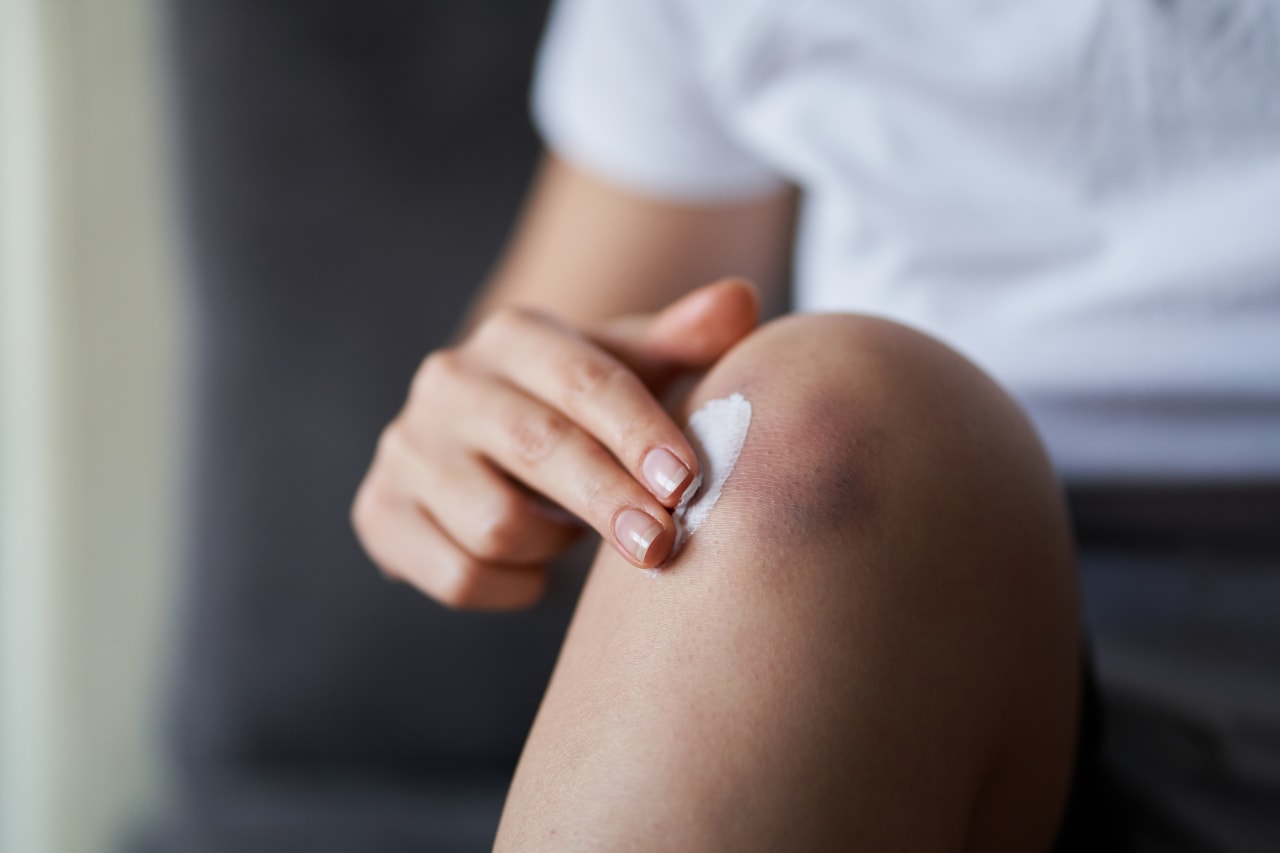
2. Massage with arnica: Arnica is a plant known for its anti-inflammatory properties and its ability to reduce bruising. Apply an ointment, cream or essential oil based on arnica to the affected area and massage gently for a few minutes. Repeat several times a day.

3. Use heat after 24 hours: After the first 24 hours, you can alternate between applying cold and heat. Use a warm compress or a flannel soaked in warm water on the bruise for around 10 minutes, several times a day. Heat dilates the blood vessels, which boosts circulation and helps the haematoma resorb more quickly.

4. Elevate the affected area: If the bruise or haematoma is on a part of the body that can be elevated, try to keep it elevated as much as possible. This helps reduce swelling and encourage blood circulation.

5. Eat foods rich in vitamin C: Vitamin C supports healing and plays an important role in collagen production, which is essential for repairing damaged blood vessels. Include foods rich in vitamin C, such as citrus fruits, kiwis, peppers and berries, in your diet.

6. Do not apply pressure: Avoid pressing on the bruise or haematoma, as this can make things worse and prolong healing, as well as being quite painful. Let time do its work and be patient.

Learn More

Want to learn more? Check out our articles and products related to bruises and hematomas:

Spotlight on Our Writer: Camille Clément

Camille specialises in writing content on beauty, health, and natural well-being. She's passionate about these topics, and writes articles for major media outlets to help everyone take care of themselves in a natural, holistic way.

Photo by Miri Mina on Unsplash