No, skin tags are benign and pose no health risk. They do not cause spontaneous infection or serious complications. Their impact is mainly cosmetic or related to friction in certain areas.
Acrochordon: How to Get Rid of It Naturally?
You may have noticed these small, soft growths in your skin folds, such as on your neck, underarms, or under your breasts. Known as skin tags, they are benign and painless in most cases, but can sometimes be bothersome or surprising. In this article, learn how to easily identify them, understand why they appear, adopt the right habits, and explore medical or natural solutions to safely care for your skin.

What is a "skin tag"?
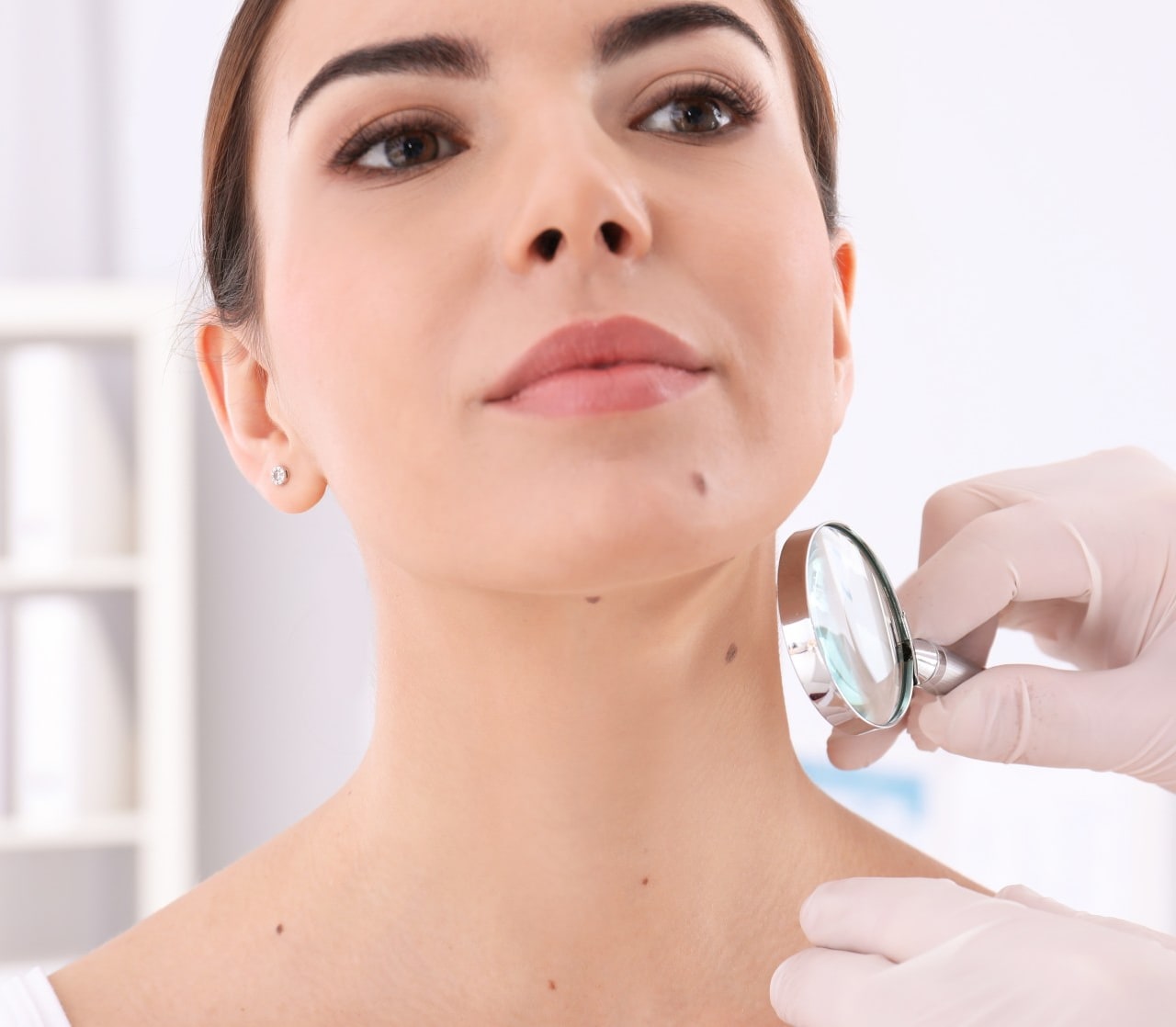
A skin tag is a benign skin growth consisting of fibrous tissue covered by skin. In dermatology, it is also called molluscum pendulum or soft fibroma. Very common in adults, skin tags tend to appear more frequently with age, though this is not a sign of an underlying medical condition. Medically speaking, it is a localised proliferation of skin tissue, most often attached to the skin by a thin stalk called a "pedicle." They are generally painless and pose no health risk, which explains why, in most cases, no specific treatment is necessary.
However, their benign nature does not rule out daily discomfort. Repeated friction, local discomfort, or cosmetic concerns may lead you to seek answers and, if you wish, to consider appropriate solutions.
Acrochordons and moles: what are the differences?
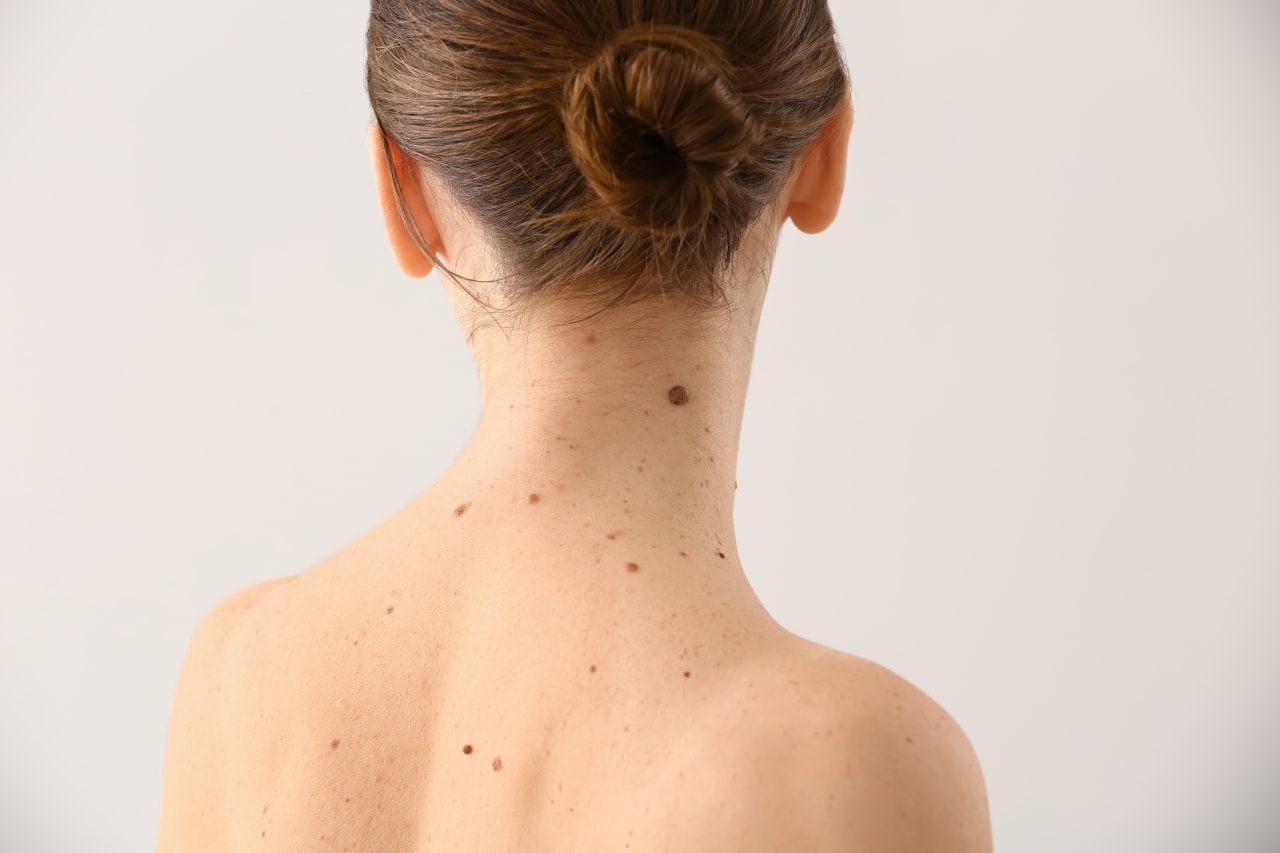
Acrochordons are often confused with moles, even though they are very different in nature.
A skin tag is a soft growth, often flesh-coloured, that typically develops in skin folds. It consists mainly of collagen fibers and blood vessels, covered by epidermis.
A mole, or nevus, on the other hand, is an accumulation of pigmented cells called melanocytes. It can be flat or raised, brown, black, or sometimes pinkish, and appear anywhere on the body.
This distinction is essential because moles can evolve, change in appearance, and require dermatological monitoring, which is not the case with skin tags. If there is any doubt about the nature of a skin lesion, seeking medical advice is always the safest course of action.
What are the possible causes of skin tags?
The formation of skin tags is not due to a single cause. It most often results from a combination of mechanical, metabolic, hormonal, and genetic factors. In other words, certain conditions are more conducive to their development than others.
Repeated friction and skin folds
Skin tags appear mainly in areas of chronic friction: the neck, armpits, groin, eyelids, under-breast folds, and abdominal folds. Repeated skin-to-skin or clothing-to-skin contact creates persistent local micro-irritation. These microtraumas stimulate the proliferation of cells in the epidermis and dermis, which gradually leads to the formation of these growths. This location explains their increased frequency in people with more skin folds or significant daily mechanical friction.
Metabolic Factors and Insulin Resistance
Skin tags appear more frequently in people with insulin resistance, hyperinsulinemia, orhigh blood sugar, dyslipidemia, ortype 2 diabetes.Excess circulating insulin stimulates certain skin growth pathways (particularly via IGF receptors and epidermal growth factors). This stimulation promotes the proliferation of keratinocytes and fibroblasts, which contributes to the formation of skin tags. In both adults and children, their presence is more common in cases of overweight, obesity, or metabolic syndrome.
Overweight and Obesity
Being overweight has two complementary effects. It mechanically increases friction in skin folds. It is often accompanied by insulin resistance and low-grade inflammation, two factors that promote tissue proliferation. This is why skin tags are particularly common in skin folds among overweight individuals.
Hormonal changes
Hormonal fluctuations directly influence cell growth and skin vascularisation. Certain life stages, such as pregnancy, are associated with the appearance of new skin tags. This development is explained by hormonal changes, metabolic shifts, and a temporary increase in insulin resistance. Other phases of adulthood can also contribute to their development.
Genetic predisposition and family history
There is a genetic predisposition. Some people develop a large number of skin tags, while others have none despite similar risk factors. Genetic factors, combined with metabolic and mechanical environmental factors, therefore play an important role.
How to recognise a skin tag?
To help you identify a skin tag more accurately, several clinical characteristics are particularly telling. In the vast majority of cases, their appearance is typical enough to guide the diagnosis.
Colour: flesh-coloured, beige, pinkish, or slightly brownish. The colour is generally uniform and similar to that of the surrounding skin, without very dark areas or marked variations.
Size: most often a few millimetres (approximately 1 to 5 mm). However, some skin tags can reach 1 to 2 cm, or even larger in more voluminous or older forms.
Texture: A soft, supple, and very elastic lesion to the touch. The surface may be smooth or slightly wrinkled, sometimes giving the appearance of a small “pouch of skin.”
Shape: a small, rounded or oval fleshy mass, well-defined, protruding from the skin surface.
Pedunculated or, more rarely, sessile base: Most often connected to the skin by a thin stalk called a pedicle, giving it the appearance of “hanging skin.” More rarely, the lesion rests on a broader base, while remaining well-defined.
Mobility: You can usually move it easily between two fingers. This mobility reflects its superficial and benign nature.
Absence of symptoms in most cases: skin tags usually cause no pain, itching, or burning. However, discomfort may occur in cases of repeated rubbing, twisting, or local irritation.
Are skin tags painful?
In the vast majority of cases, skin tags are completely painless. Their presence may go unnoticed for years, or even a lifetime. They do not cause spontaneous inflammation or infection, and usually do not result in itching, burning, or pain. The discomfort experienced is most often mechanical or cosmetic in nature.
However, certain circumstances can make a skin tag sensitive or even painful. Repeated friction from clothing, jewelry, bra straps, or seat belts can irritate the skin tag and cause local inflammation. Similarly, shaving or hair removal can cause microtrauma leading to redness, tenderness, and sometimes mild swelling. Accidental snagging or pulling can also trigger sharp pain and immediate irritation. Finally, when the skin tag twists around itself, this is referred to as pedicle torsion. Blood flow may then be temporarily interrupted, causing acute pain and a rapid colour change, shifting from pink to red, and sometimes to purplish or black.
In these situations, the skin tag becomes sensitive, inflamed, or slightly painful. These symptoms are usually benign, but they warrant close monitoring.
If a skin tag causes pain, itching, or inflammation, we recommend consulting a healthcare professional (doctor, dermatologist).
The areas of the body most exposed to friction
Certain areas of the body are more exposed to friction, moisture, or repetitive movements. Skin tags in these areas are more likely to become bothersome or painful:
The neck: frequent friction from shirt collars, scarves, necklaces, and seat belts; shaving for men.
The armpits: constant contact with clothing, sweating, friction while walking or exercising.
Eyelids: a very thin and mobile area, where even the slightest growth can irritate the eye or obstruct the field of vision.
Under the breasts: skin folds, heat, maceration, and friction, especially in women with larger breasts.
The groin and inguinal folds: friction caused by walking, underwear, and sports activities.
Other skin folds: abdominal folds, back, buttocks, particularly in cases of overweight or obesity.
In these areas, vigilance is particularly important, as repeated friction increases the risk of irritation, pain, and accidental injury.
Do skin tags fall off on their own?
In some cases, a skin tag may indeed fall off on its own, but this is relatively rare and unpredictable. This usually happens when its base, called the pedicle, twists or becomes compressed, which gradually cuts off local blood flow.
Deprived of oxygen and nutrients, the skin tag gradually dries out, changes colour, becomes darker, and eventually falls off on its own after a few days or weeks. This process involves mild localised necrosis, sometimes accompanied by slight discomfort.
However, this process is neither quick nor guaranteed. Waiting for it to fall off on its own is therefore not always the best solution, especially if the skin tag is bothersome, irritated, or located in a sensitive area, such as near the eye or in a skin fold.
We advise against any attempt to intentionally cause it to fall off. Such practices increase the risk of irritation, bleeding, and infection. If you wish to remove it safely, it is best to consult a healthcare professional to discuss appropriate treatment options.
What medical solutions are available for removing skin tags?
When removal is considered, whether for cosmetic reasons or due to daily discomfort, it must be performed in a medical setting. This ensures safety, sterility, and precision, minimizing the risk of infection or scarring. Different techniques may be recommended depending on the size, number, and location of the skin tags:
Cryotherapy
The doctor applies liquid nitrogen to freeze the growth. This cold burn destroys the skin tag’s cells. A small scab or bump forms and usually falls off on its own a few days to a few weeks later.
Electrocoagulation / Electrosurgery
A high-frequency electrical current destroys the base of the skin tag, often after local anesthesia. Immediate coagulation limits bleeding and allows for quick and precise removal.
Laser (CO₂ or Erbium)
A targeted beam vaporises the growth with millimeter-level precision. This technique is particularly well-suited for delicate or visible areas, such as the eyelids or face.
Surgical removal
Reserved for large or numerous skin tags. The doctor makes a clean incision at the base using a scalpel or sterile scissors, sometimes followed by a single stitch or left to heal in the open air.
All these methods, performed by a professional, allow for quick, controlled removal with minimal risk of complications.
Removing a skin tag yourself: myth or reality?
Even though the idea of cutting or tying off a skin tag yourself may seem tempting, this practice is absolutely not recommended. It carries very real risks.
A skin tag is vascularised. Cutting it with scissors, a blade or a thread can cause bleeding—sometimes significant—promote local infection, and leave an unsightly scar. Sterility of the procedure is never guaranteed at home.
Another major risk concerns diagnosis. Some lesions may resemble a skin tag without actually being one. Attempting to remove a misidentified lesion yourself can damage an atypical growth and complicate any subsequent medical evaluation.
We therefore recommend having the nature of the lesion checked by a professional at least once, especially if it changes in appearance, bleeds spontaneously, grows rapidly, or appears on the face or in a sensitive area.
In practice, attempting to remove a skin tag yourself is neither harmless nor safe. A medical consultation allows for a reliable diagnosis and, if necessary, consideration of simple removal in a medical setting, without unnecessary risk.
What home remedies can you use to get rid of them naturally?
As we’ve seen previously, when removal is desired, the safest option remains surgical excision in a medical setting. That said, once a benign skin tag has been confirmed and it is not located in a sensitive area, you can consider natural, topical treatments—not to “cut” the growth, but to help it gradually dry out.
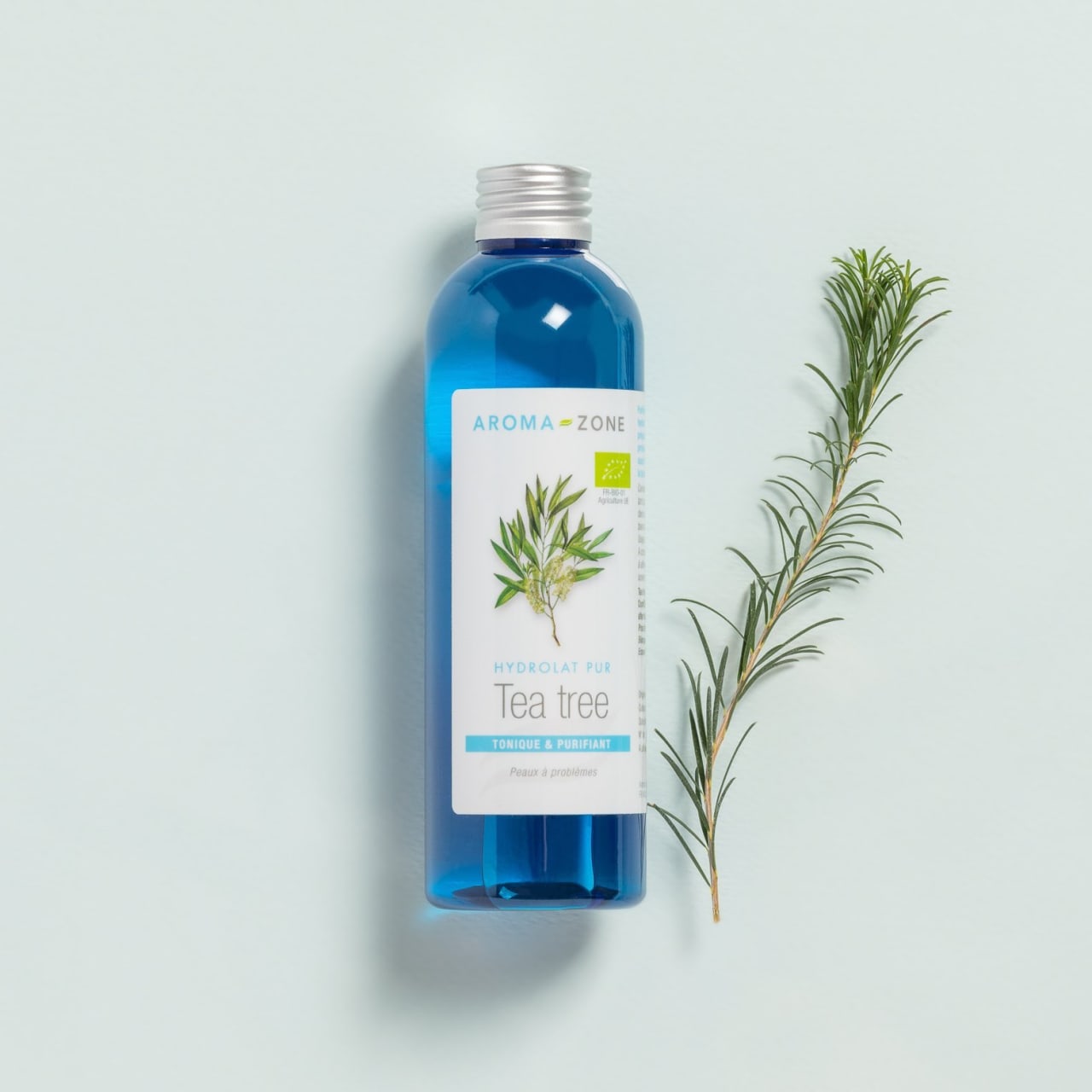
Tea Tree Essential Oil
Among the most frequently mentioned is Tea Tree Essential Oil (Tea Tree) (Melaleuca alternifolia), known for its broad-spectrum antibacterial and soothing properties. It can be applied very locally using a cotton swab, once or twice a day. It must be diluted in a vegetable oil (such as jojoba or sweet almond oil) at a low concentration.
Precautions: Not recommended during pregnancy and breastfeeding, or for children under 3 years of age. Keep out of reach of children. Avoid contact with the eyes. Certain natural compounds contained in this essential oil may pose an allergy risk to some sensitive individuals when the essential oil is incorporated into a cosmetic formulation (according to the 7th Amendment to the European Cosmetics Directive (2003/15/EC)): limonene. As a general rule, always perform a patch test on your preparation in the crook of the elbow at least 48 hours before use.
Ravintsara Essential Oil
Ravintsara Essential Oil (Cinnamomum camphora) is also noted for its powerful cleansing and antibacterial properties. It does not directly target the drying out of skin tags, but can support local skin hygiene.
Precautions: Do not use during the first three months of pregnancy, or on children under 6 years of age (unless under medical supervision). Not recommended for people with asthma (especially when inhaled or diffused). Prefer topical use or diffusion/inhalation; oral use is less appropriate for this essential oil. Possible interactions with medications (due to its 1,8-cineole content, which has an inducing effect on certain enzymes); do not use orally without medical advice while undergoing drug treatment. Certain natural compounds contained in this essential oil may pose an allergy risk to some sensitive individuals when the essential oil is incorporated into a cosmetic formulation (according to the 7th Amendment to the European Cosmetics Directive (2003/15/EC)): limonene, linalool. As a general rule, always perform a patch test on your preparation in the crook of your elbow at least 48 hours before use.
Other home remedies
Other traditional remedies include the occasional application of apple cider vinegar or pastes made from castor oil and baking soda. Their goal remains the same: to gradually alter the texture of the growth to encourage it to wither away. However, their effectiveness varies, and tolerance differs significantly depending on the individual and the treated area.
These methods should be used with caution, only occasionally, and reserved for lesions clearly identified as benign. They are not a substitute for medical advice or professional treatment when the growth is bothersome, progressive, or poorly located.
Good to know: Beyond occasional local applications, the most consistent approach involves addressing the factors that contribute to the development of skin tags: minimising repeated friction, maintaining hygiene and skin suppleness in skin folds, and supporting metabolic balance (weight, blood sugar levels, insulin resistance). It is this foundational work, rather than any “miracle cure,” that reduces the risk of new growths appearing.

Pulled-off skin tag: what should you do?
Sometimes a skin tag can be accidentally pulled off while shaving, during vigorous rubbing, or with a sudden movement. The situation can be alarming, as the lesion is vascularised and may bleed more than you’d expect. In most cases, a few simple steps are enough to treat the area.
Stop the bleeding: Apply firm pressure with a clean or sterile compress for at least 5 minutes, without letting up. The bleeding usually stops on its own.
Clean the wound: Gently wash the area with warm water and mild soap to remove dirt and blood residue.
Disinfect: Apply a non-irritating, alcohol-free antiseptic, such as a chlorhexidine-based solution. Avoid harsh products that would delay healing.
Protect the area: Apply a clean compress or bandage to limit friction and maintain an environment conducive to healing.
Monitor progress: Keep the area clean and dry. Change the dressing once or twice a day and observe the appearance of the wound over the next few days.
When to seek medical attention? A medical consultation is recommended in cases of increasing pain, spreading redness, localised warmth, purulent discharge, fever, or slow healing, as well as when the skin tag has been only partially removed and a remnant remains. For people with diabetes or particularly fragile skin, medical advice should be sought sooner.
Precautions
Even though they are benign, skin tags require some precautions. Avoid touching them and never attempt to treat dark, irregular, painful, or sensitive-area lesions yourself. Opt for loose-fitting clothing made of natural fibres to minimise friction, and pay attention to your weight, diet, and metabolic balance. Consult a healthcare professional if a skin tag changes in appearance, bleeds, or becomes painful, or if you have a specific underlying condition such as a weakened immune system.
Expert Advice
A simple step: check your skin regularly and don’t hesitate to seek professional advice if a growth changes or concerns you. This simple, regular monitoring helps you stay calm while keeping an eye on your skin.
Learn more

Are skin tags dangerous?

Are skin tags dangerous?

When should you be concerned?

When should you be concerned?
Consult a healthcare professional if a skin tag rapidly changes in size or colour, becomes painful, bleeds spontaneously, or has irregular edges. A dermatologist’s evaluation is also recommended for any suspicious growth on the face, eyelids, or genital areas.

Can skin tags come back after removal?

Can skin tags come back after removal?
Yes, new skin tags can appear elsewhere if the contributing factors (friction, excess weight, metabolic imbalance) persist. Removing one growth does not prevent others from appearing.
Spotlight on Our Naturopathic editor, Stéphanie Catrysse

Stéphanie Catrysse – Naturopath (certified by FENA), wellness massage practitioner, lymphatic drainage therapist and personal development advisor.
Passionate about natural medicine, she practices with a holistic approach to health.
Bibliography
1
Danièle Festy. "My Essential Oils Bible." 2008.
2
The MSD Manual. "Molluscum pendulum (skin tags)." 2025.
https://www.msdmanuals.com/fr/professional/troubles-dermatologiques/tumeurs-excroissances-et-lésions-vasculaires-cutanées-bénignes/molluscum-pendulum-acrochordons
3
Academy of Medicine. "Medical Dictionary of the Academy of Medicine – 2020 Edition."
https://www.academie-medecine.fr/le-dictionnaire/index.php?q=fibrome%20molluscum