

Diverticulitis: What to Eat and What Diet to Follow?
Scientific studies indicate that a high-fibre diet can help prevent the progression of diverticulosis (the presence of diverticula without symptoms) into a symptomatic form or diverticulitis (inflammation). This recommendation therefore remains relevant during the prevention phase, as fibre promotes healthy bowel movements and reduces pressure in the colon.
However, after an episode of acute diverticulitis, the benefit of quickly resuming a high-fibre diet to prevent recurrence remains a subject of debate. The resumption should be gradual and tailored to individual tolerance, under medical supervision.
Here are the highest-fibre foods to prioritise in your diet and meal plans:
Legumes: Lentils, chickpeas, black beans, kidney beans and peas are excellent sources of fibre.
Whole grains: Whole-grain products such as whole-wheat bread, brown rice, oats and quinoa are high in fibre.
Fresh fruits: Fruits, especially pears, apples, berries, oranges and plums, are naturally high in fibre.
Green vegetables: Spinach, broccoli, Brussels sprouts, green peas and green beans are excellent sources of fibre.
Dried fruits: Figs, dates, prunes and dried apricots are high in fibre.
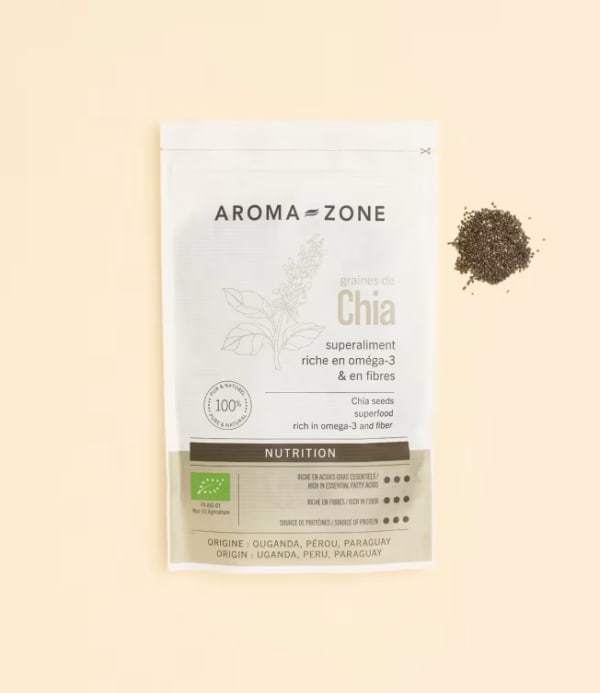
Seeds: Chia seeds, flaxseed, sunflower seeds and pumpkin seeds are high-fibre options.
Nuts: Almonds, walnuts, cashews and pistachios also provide fibre.
Root vegetables: Carrots, sweet potatoes and beetroot are fibre-rich root vegetables.
In cases of diverticulitis, it is also recommended to avoid strong spices, as they can irritate the already inflamed intestinal lining and worsen digestive symptoms such as pain, cramps or diarrhoea. Hot spices (chilli peppers, excessive black pepper, very strong curry, etc.) can exacerbate local inflammation and disrupt digestive balance, which slows down healing. During acute phases, it is best to opt for a mild, non-spicy and easily digestible diet, gradually reintroducing stronger seasonings once the inflammatory phase has passed and depending on individual tolerance.