Bleeding Mole: What Should You Do?

Bleeding Mole: What Should You Do?


By Amandine Granger

Published on: Thursday, May 02, 2024, Updated on: Wednesday, September 30, 2026

Is your mole bleeding, leaving you worried about what it means and what to do next? Bleeding can happen after a minor injury, particularly when a raised mole catches on clothing or becomes irritated by friction. However, a doctor should check unexplained or repeated bleeding. In this article, we explore the possible causes of a bleeding mole and what steps to take.

Contents

What Is a Mole?

Moles, known medically as naevi, are usually harmless skin growths that are often round or oval. They form when melanocytes, the cells that produce melanin, the pigment responsible for skin colour, grow in clusters.

Moles are very common; most people have at least a few. They can appear anywhere on the body and vary in size, colour and texture. Some may be flat and smooth, whilst others may be rough. Others are raised and may cause discomfort, particularly when they catch on something. 

Moles considered to be benign have the following characteristics:

  • A uniform colour 

  • Light brown, dark brown or flesh-coloured

  • A well-defined outline

  • Small in size (usually a few millimetres, rarely more than 1 centimetre)

What Are the Different Types of Moles?

Moles are generally classified into three categories:

  • Congenital melanocytic nevi: These are moles present at birth. They are larger than ordinary moles and require monitoring. This type of mole carries a higher risk of developing into melanoma.

  • Acquired naevi: These are the most common. These moles develop during childhood and adolescence. However, they can appear at any stage of life and sun exposure can contribute to their development.

  • Dysplastic naevi: These are an atypical form of mole. Their edges are poorly defined, and their colours are irregular. They are also larger than ordinary moles, with a diameter greater than 6 millimetres. They are generally caused by a genetic predisposition. These moles also increase melanoma risk and must be monitored regularly.

What Causes a Mole to Bleed?

A bleeding mole is most often caused by localised irritation. Raised moles are the most likely to be affected by minor trauma. This is especially true if they’re located in areas subject to frequent rubbing, such as the wrists, the nape of the neck or the legs.

Indeed, they can sometimes get caught, for example, on jewellery or a zip. Tight trousers can also cause repeated rubbing and lead to irritation.

More rarely, a mole may start to bleed spontaneously. In such cases, you should see a doctor to identify the cause.

Bleeding Mole: What Are the Symptoms?

A bleeding mole may be accompanied by other symptoms, such as:

  • Pain

  • Itching

  • Localised redness or swelling

Is a Bleeding Mole Dangerous? When Should You See a Dermatologist?

A mole that bleeds following an injury poses no danger. This is because it's in the dermis and heals like the rest of the skin.

First, clean it with clean water and mild soap. Avoid hot water, as this can increase the bleeding. Next, hold a compress over it for a few minutes until the bleeding stops. You can also disinfect it with an alcohol-free product and apply a plaster until it heals.

In the days that follow, avoid exposing your injured mole to the sun. Ultraviolet rays interfere with the skin’s healing process.

Normally, your mole should heal within a few days. If it doesn't, we advise you to arrange a follow-up appointment with your dermatologist.

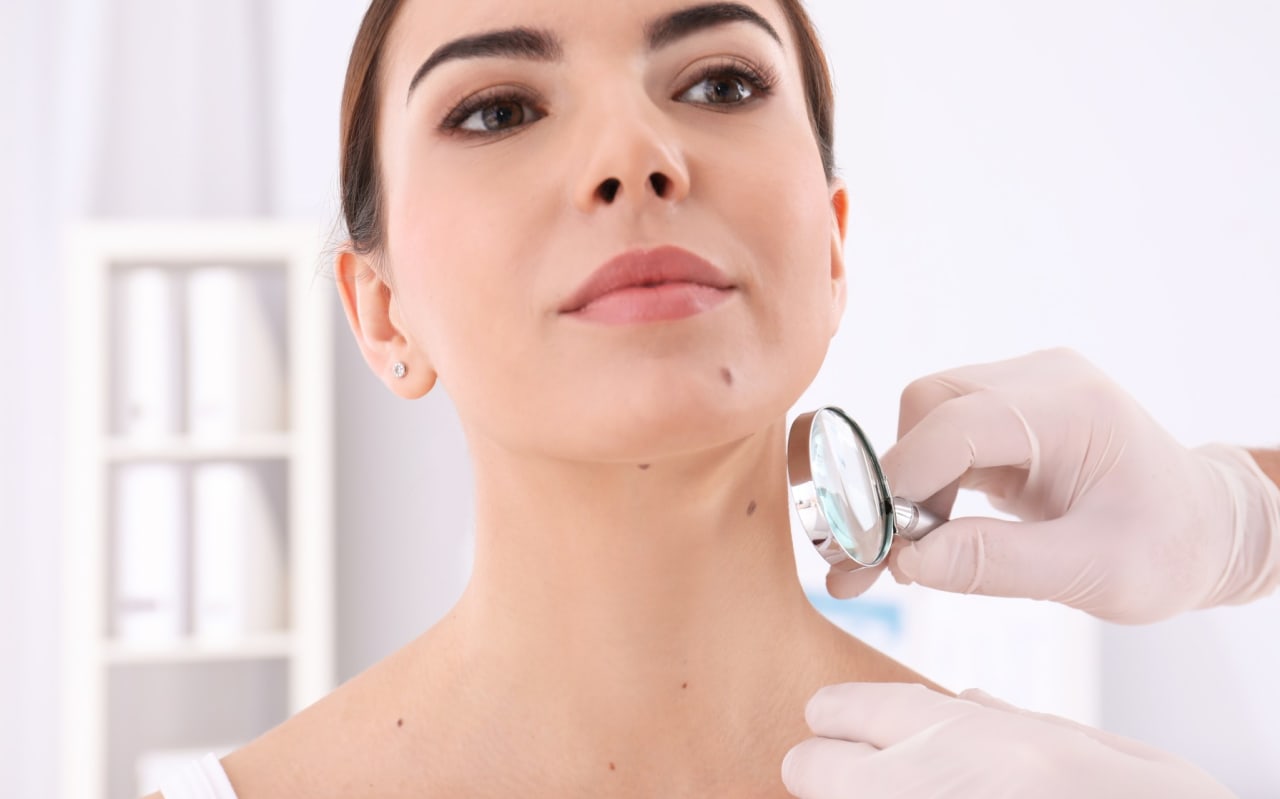
If a mole starts to bleed spontaneously – that is, for no particular reason – you should see a dermatologist. They will be able to carry out a thorough clinical examination and make an accurate diagnosis. They may advise you to have it removed with a quick, painless surgical procedure. The removed mole will then undergo a biopsy to check that it is not melanoma.

To find out more, read Dr Agathe AOUN-COUSSIEU’s guide to everything you need to know about moles.

Expert Advice

Whether you have lots of moles or not, it’s essential to protect your skin from UV rays. Indeed, the sun is the primary factor responsible for the development of melanoma. To protect yourself, we recommend using effective sun protection and avoiding prolonged exposure to the sun.

Spotlight on Our Specialist Writer, Amandine Granger

Amandine is a writer specialising in natural health. Passionate about alternative medicine, she is training to become a naturopath. Through her articles, she aims to make her knowledge accessible to a wide audience, helping readers bring greater wellbeing and balance to their everyday lives.

Bibliography

  1. https://www.centre-chirurgie-dermatologique.fr/actualites/grain-beaute-saignements-que-faire/

  2. https://chirurgie-dermatologique-monceau.fr/actualites/grain-de-beaute-naevus/grain-de-beaute-qui-saigne/

  3. https://pulsations.hug.ch/article/tout-savoir-sur-les-grains-de-beaute

Frequently Asked Questions

Frequently Asked Questions