
Guide to essential oils

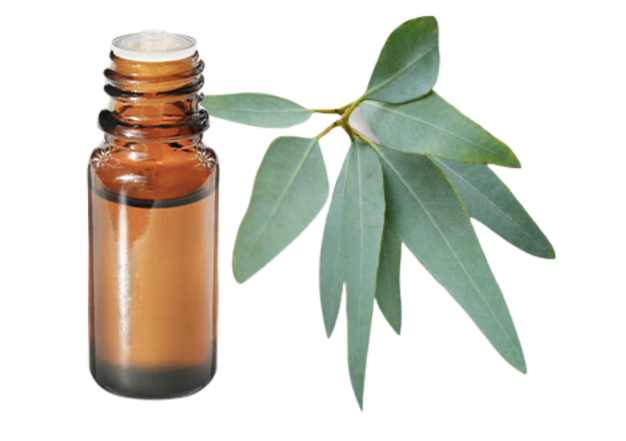
Essential oil of Lemon-scented eucalyptus

Soothing lemon-scented eucalyptus (Eucalyptus staigeriana) essential oil is traditionally used to help with joint discomfort. Lemon-scented eucalyptus essential oil is also renowned for its calming effects on the psycho-emotional system, particularly in cases of stress and mental fatigue, etc. When diffused, Eucalyptus staigeriana essential oil releases a delicious lemon scent. Purifying, lemon-scented eucalyptus essential oil is very popular in energy blends.

How to use

  • Skin application and massage

    Skin application and massage

    Suitable

  • Cosmetic active ingredient

    Cosmetic active ingredient

    Appropriate

  • Aromatherapy bath

    Aromatherapy bath

    Suitable

  • Diffusion

    Diffusion

    Suitable

Features

Properties and uses

Precautions

Find out more

Features

Production process

Complete steam distillation

Part of the plant used

Leaves and branches

Botanical name

Eucalyptus staigeriana

Warning

The properties, information and methods of use below are quotes from reference books or websites on aromatherapy, hydrolatherapy and phytotherapy. This general information is provided for informative purposes only and in no way constitutes medical guidance. Under no circumstances can this information be used as a substitute for a medical diagnosis, consultation or follow-up, nor can it incur our liability. We recommend that you consult the guide to essential oils before using them, so that you are aware of any precautions that need to be taken. If in doubt, consult a doctor before using essential oils.

Properties and uses

Eucalyptus staigeriana essential oil is traditionally used for: Arthritis, osteoarthritis, rheumatism, depression (nervous), mild depression, low moods, insomnia, stress

Health

Beauty

Wellness

Find out more

Properties

In health, lemon-scented eucalyptus essential oil is recognised for the following properties:

  • Rich in citral (neral + geranial), an anti-inflammatory compound, known to help relieve joint and muscle pain

  • An airborne antiseptic, helps to cleanse the atmosphere used for diffusing


.

Uses

It is traditionally used to improve the following conditions:

  • Joint pain

  • Rheumatism

  • Muscle pain, aches and strains

  • Purification of the premises

Synergies

  • Joint pain: essential oils of sweet wintergreen, katafray, lemon eucalyptus, etc.

  • Muscle pain: essential oils of Lavandin, rosemary camphor, Helichrysum italicum, etc.

In practice

Soothe sore areas: Mix into your oil blend. Apply your mixture locally, massaging lightly into the area concerned.

Air purification: atmospheric diffusion.

Precautions

  • Do not use during pregnancy or while breastfeeding, or on children under the age of 3.

  • Not for internal use.

  • Keep out of reach of children.

  • Avoid contact with eyes and mucous membranes.

  • Certain natural compounds contained in this essential oil may present a risk of allergy in certain sensitive individuals when the essential oil is incorporated into a cosmetic composition (in accordance with the 7th Amendment to the EU Cosmetics Directive (2003/15/EC)): limonene, citral (geranial and neral), geraniol, linalool, eugenol.

  • As a general rule, always carry out a test application of your mixture, in the crease of the elbow, at least 48 hours before use.

  • Dangerous. Observe safety precautions.

  • Causes serious eye damage. May cause an allergic skin reaction. Causes skin irritation. Very toxic to aquatic organisms; causes long-term adverse effects (in the event of massive spillage into a watercourse).

Find out more

Native to Australia, Eucalyptus trees are fast-growing members of the Myrtaceae family. There are over 600 species, many of which have become well-acclimatised in other parts of the world, including South Africa, Europe, Latin America, etc. The leaves and roots of some Eucalyptus have the property of producing an allelopathic susbtance, i.e. components that enable the plant affect neighbouring species, plants and bacteria, to defend or protect their territory and reduce competition for food (soil nutrients, light, water) with other species.

Equivalents

Essential Oils

1 ml = approximately 35 drops (with our Aroma-Zone dropper caps)

Carrier oils

1 pump (Aroma-Zone aluminium pump) = approx. 0.15 ml

Mass / Volume conversion (for a liquid)

Mass (g) = Density x Volume (ml) at 20°C

Further information

1 full teaspoon = between 3 and 4.5 ml

1 full tablespoon = between 7.5 and 10 ml


However, these spoon ratios depend on a number of factors (e.g. viscosity of the liquid, temperature, depth and size of the spoon, rheological behaviour of the liquid), and we strongly advise you to use precise measuring equipment, such as graduated test tubes, graduated pipettes, and precision scales.

Bibliography

1

'Traité d'aromathérapie scientifique et médicale'

Mr Faucon

2

"L'aromathérapie énergétique, Guérir avec l'âme des plantes"

L. Bosson and G. Dietz

3

4

5

6

'The Aromatherapy Encyclopedia: A Concise Guide to Over 385 Plant Oils'

Carol Schiller,David Schiller

7

"Aromathérapie corps et âme"

André Bitsas