Guide to essential oils

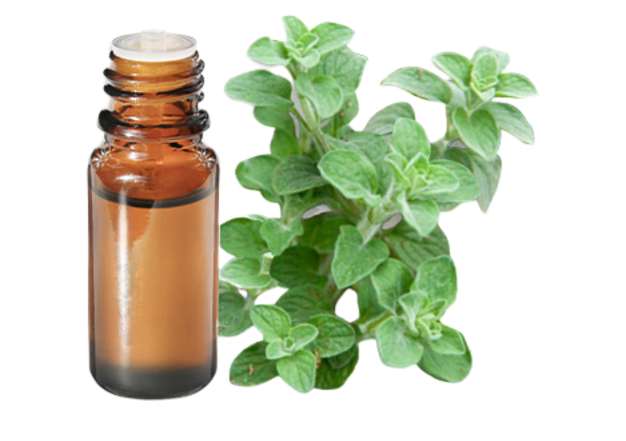
Essential oil of Greek Kaliteri oregano

Thanks to its reduced carvacrol content, Greek Kaliteri oregano essential oil is milder than the essential oils of common and compact oregano. Greek Kaliteri oregano essential oil is rare and can be used for longer periods. Greek Kaliteri oregano essential oil has a well-balanced composition that forms an optimal synergy of "gentle power". This is why kaliteri oregano essential oil is recommended by aromatherapists as a support for infectious complaints. The still little-known essential oil of Greek Kaliteri oregano has everything it takes to become an aromatherapy essential!

How to use

  • Skin application and massage

    Skin application and massage

    Appropriate

  • Cosmetic active ingredient

    Cosmetic active ingredient

  • Aromatherapy bath

    Aromatherapy bath

  • Diffusion

    Diffusion

    Possible but not recommended

  • Food grade

    Food grade

    Suitable

Features

Properties and uses

Precautions

Find out more

Features

Production process

Complete steam distillation

Part of the plant used

Aerial parts

Botanical name

Origanum vulgare var. kaliteri

Warning

The properties, information and methods of use below are quotes from reference books or websites on aromatherapy, hydrolatherapy and phytotherapy. This general information is provided for informative purposes only and in no way constitutes medical guidance. Under no circumstances can this information be used as a substitute for a medical diagnosis, consultation or follow-up, nor can it incur our liability. We recommend that you consult the guide to essential oils before using them, so that you are aware of any precautions that need to be taken. If in doubt, consult a doctor before using essential oils.

Properties and uses

Greek Kaliteri oregano essential oil is traditionally used for : abscesses, boils, abscess, boil, paronychia, bronchitis, diarrhoea, toothache (cavities, abscesses), gastrointestinal and intestinal infections, immunity (stimulates the immune system), urinary tract infections, laryngitis, pharyngitis, fungal infections, etc.

Health

Wellness

Find out more

To give an idea of the virtues of Greek Kaliteri oregano essential oil, let's quote Dr Daniel Pénoël, who has worked extensively on this oil anduses itsuccessfully in his clinical aromatherapy practice:

"Now, it is important to be able to have answers, in the context of infectiology, that are applicable in a less restrictive way [than classic common oregano and compact oregano], both from the point of view of time and from the point of view of the diversity of patients to be treated. To put it plainly: you have to be able to be effective without taking risks. Gentleness, without power, leads nowhere in the field we're interested in here, that of infections. But aggressive power is no more desirable, except for very short periods. So we had to think of a third way... A way to strike abalance between the necessary strength on the one hand, and the indispensable control of that strength on the other. A way that would give access, at the same time, to an accelerator, a brake and a steering wheel to direct the action intelligently and skilfully.

Who has been given this gift? Which plant has been chosen to hold this incredible new recipe?

It's our, and your, new companion. The very high quality of kaliteri is perfectly reflected in its composition. To give an overall idea of this tour de force, kaliteri draws its inspiration from marjoram, tea tree, thyme and oregano, while adding a touch of its own personal genius. Isn't this just another feat of 'aromagy' that he has achieved for our greater good?"

Properties

Greek Kaliteri oregano essential oil is recognised for its health properties:

  • Very broad-spectrumanti-infective action: powerful antibacterial, antiviral, antifungal and antiparasitic properties.

  • Its well-balanced composition of carvacrol (a very powerful broad-spectrum anti-infective), thujanol (an antiseptic and liver regenerating), terpinen-4-ol (a mild anti-infective) and expectorant and immunostimulant monoterpenes gives it a "gentle power" to combat all types of chronic or acute infection.

  • More suitable for long-term treatments than common or compact oregano essential oil, due to its reduced carvacrol content (hepatotoxic) and the presence of thujanol (liver regenerant).

  • Better tolerated on the skin than common or compact oregano essential oil (always used diluted).

  • General tonic

  • Contains para-cymene with local analgesic properties when applied percutaneously

  • Immunostimulant

Uses

It is traditionally used to improve the following situations:

  • Acute or chronic bacterial or viral ENT infections:

    bronchitis, sore throat, sinusitis, laryngitis, tracheitis, ear infections, etc.

  • Skin infections : fungal infections, abscesses

  • Intestinal infections: bacterial, viral and parasitic, imbalance of intestinal flora

  • Gynaecological infections

  • Chronic or acute parasitic infections

  • Immune weakness

Synergies

  • Respiratory health: narrow-leaved eucalyptus essential oils (expectorant), sweet inula (mucolytic), Ravintsara (antiviral), Cypress (cough suppressant), tea tree (antibacterial), etc.

  • Purifying and soothing the intestines: Cinnamon bark (antibacterial), Tropical basil or Tarragon (antispasmodic), Coriander (digestive tonic), Bay laurel (antibacterial and antifungal), Turmeric (anti-inflammatory) essential oils.

  • Purifying and soothing the skin: essential oils of spike lavender(healing), Palmarosa (antifungal), tea tree (antibacterial)

  • Purifies and soothes the urogenital tract: St John's wort essential oil (anti-inflammatory)

  • Helps the body to function properly: Ravintsara essential oil (immunostimulant), Black spruce (tonic)

In practice

Air purification and prevention: Atmospheric diffusion at 5% maximum in synergy with other gentler essential oils (Lemon, narrow-leaved eucalyptus, Ravintsara, Saro, Scots Pine, Lavender, lemon-scented eucalyptus, etc.).

Purifying, cleansing: Mix into your oil blend. Apply your mixture locally, massaging lightly into the affected organ.

Precautions

  • Do not use during pregnancy or while breastfeeding, or on children under 6 years of age. Greek Kaliteri oregano essential oil is used by aromatherapists in paediatrics (from age 3), but only on prescription and under the supervision of a qualified person.

  • Despite its reduced carvacrol content, Greek Kaliteri oregano is still a phenol-based essential oil, and should therefore be used with extra caution:

    • Irritant in its pure state, always use diluted for cutaneous use (max 20% for intensive very localised use, max 5-10% for more extensive areas). For local use only (at the site of infection or in relation to the organ concerned).

    • Any long-term internal use should be monitored by a doctor or aromatherapist.

    • When used as a vapour, this powerful essential oil should be strongly diluted (max. 10%) with other milder essential oils.

  • Certain natural compounds contained in this essential oil may present a risk of allergy for certain sensitive individuals when the essential oil is incorporated into a cosmetic composition (in accordance with the 7th Amendment to the European Directive on cosmetic products (2003/15/EC)): linalool, limonene.

  • As a general rule, always test-apply your mixture in the crease of the elbow at least 48 hours before use.

  • Avoid contact with the eyes.

  • Keep out of reach of children.

Find out more

The oregano most commonly used in cooking iscommon oregano , a perennial sub-shrub belonging to the Lamiaceae family. Native toEurope, it has been known sinceancient times for its pronounced aromatic flavour and medicinal properties. A symbol of joy and once known as a lucky herb, Oregano is now widely used, particularly in Italian cuisine. In fact, this is where the kaliteri variety originated! According to Dr Daniel Pénoël, it was the taste for oregano pizzas in Latin America that led to the cultivation of oregano vulgaris on the high plateaux of Bolivia.

Equivalents

Essential Oils

1 ml = approximately 35 drops (with our Aroma-Zone dropper caps)

Carrier oils

1 pump (Aroma-Zone aluminium pump) = approx. 0.15 ml

Mass / Volume conversion (for a liquid)

Mass (g) = Density x Volume (ml) at 20°C

Further information

1 full teaspoon = between 3 and 4.5 ml

1 full tablespoon = between 7.5 and 10 ml


However, these spoon ratios depend on a number of factors (e.g. viscosity of the liquid, temperature, depth and size of the spoon, rheological behaviour of the liquid), and we strongly advise you to use precise measuring equipment, such as graduated test tubes, graduated pipettes, and precision scales.

Bibliography

1

"L'aromathérapie quantique" by D. Pénoël

2

"Traité d'aromathérapie scientifique et médicale" by M. Faucon

3

"L'aromathérapie exactement" by P. Franchomme, R. Jollois, and D. Pénoël

4

'Déjouer la mystérieuse maladie de Lyme', article by Aude Maillard in Plantes & Santé n°150, October 2014

5

'Restaurer la flore intestinale', article by Aude Maillard in Plantes & Santé n°125, June 2012

6

7

"Aromathérapie corps et âme"

André Bitsas