
Guide to essential oils

Essential oil of Blue Cypress

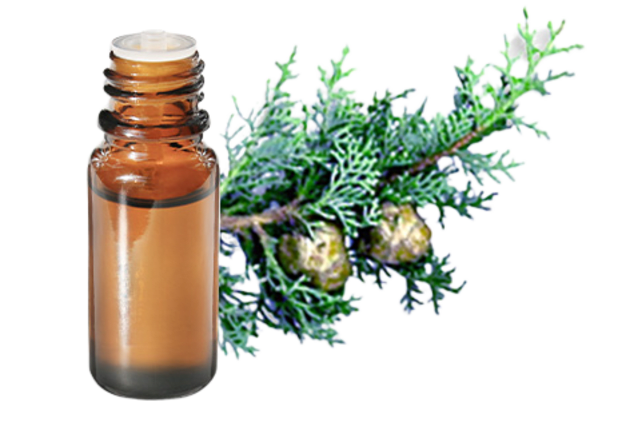
Blue cypress essential oil is a rare oil known for its refreshing and calming properties on the skin. Blue cypress essential oil soothes razor burn. As a softener, blue cypress essential oil soothes tight skin. Its original woody, fresh scent is highly sought-after.

How to use

  • Skin application and massage

    Skin application and massage

    Appropriate

  • Aromatherapy bath

    Aromatherapy bath

    Appropriate

  • Diffusion

    Diffusion

    Appropriate

  • Cosmetic active ingredient

    Cosmetic active ingredient

    Suitable

Features

Properties and uses

Precautions

Find out more

Features

Production process

Complete steam distillation

Part of the plant used

Bark and wood

Botanical name

Callitris intratropica

Warning

The properties, information and methods of use below are quotes from reference books or websites on aromatherapy, hydrolatherapy and phytotherapy. This general information is provided for informative purposes only and in no way constitutes medical guidance. Under no circumstances can this information be used as a substitute for a medical diagnosis, consultation or follow-up, nor can it incur our liability. We recommend that you consult the guide to essential oils before using them, so that you are aware of any precautions that need to be taken. If in doubt, consult a doctor before using essential oils.

Properties and uses

Blue cypress essential oil is traditionally used for: Insect and other animal bites

Health

Beauty

Find out more, etc.

Properties

Blue cypress essential oil is known for its health-giving properties:

  • Anti-inflammatory, soothing and softening for the skin

  • Insect repellent

Uses

It is traditionally used to improve the following conditions: skin allergies

In practice

Soothing woody massage: blend into your oil blend. Apply your mixture locally, massaging lightly into the area concerned.

Precautions

  • Not recommended for pregnant or breastfeeding women.

  • Not for internal use.

  • Keep out of reach of children.

  • Avoid contact with eyes.

  • As a general rule, always test your product in the crease of the elbow at least 48 hours before use.

  • Dangerous. Observe safety precautions.

  • May cause skin allergy. Harmful to aquatic organisms, causing long-term adverse effects (in the event of massive spillage of the product into a watercourse).

Find out more

Blue cypress essential oil contains guaiazulene, a molecule related to chamazulene; this gives it properties similar to blue tansy and German chamomile essential oils with a much more pleasant scent and a base note similar to sandalwood.

A blue cypress essential oil that is equally fabulous in both colour and scent!

Aromatherapy recipes from the bibliography

Honey and blue cypress healing balm (after sun) (S. Macheteau)

Health & wellbeingSkin problems

  • 30 g kokum butter
  • 10 g rice wax
  • 10 g baobab carrier oil
  • 1 teaspoon aloe vera gel
  • 1 teaspoon plant-based glycerine
  • 1 espresso spoon manuka honey
  • 10 drops of blue cypress essential oil
  • 5 drops manuka essential oil

Directions: Melt the wax and butter in the carrier oil in a bain-marie. When the wax has melted, remove from the heat and leave to cool for a few minutes. Add the remaining ingredients and mix with a whisk or pestle. Pour into the jar before the mixture hardens.

How to use: Melt a small dab of balm in your hand and apply to sunburnt areas of the body, massaging thoroughly.

Equivalents

Essential Oils

1 ml = approximately 35 drops (with our Aroma-Zone dropper caps)

Carrier oils

1 pump (Aroma-Zone aluminium pump) = approx. 0.15 ml

Mass / Volume conversion (for a liquid)

Mass (g) = Density x Volume (ml) at 20°C

Further information

1 full teaspoon = between 3 and 4.5 ml

1 full tablespoon = between 7.5 and 10 ml


However, these spoon ratios depend on a number of factors (e.g. viscosity of the liquid, temperature, depth and size of the spoon, rheological behaviour of the liquid), and we strongly advise you to use precise measuring equipment, such as graduated test tubes, graduated pipettes, and precision scales.

Bibliography

1

2

3

4